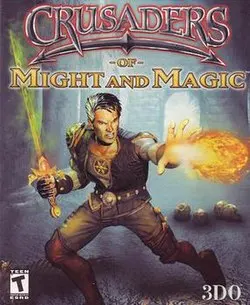
Crusaders of Might and Magic
 PC
PC PS 1
PS 1 The 3DO Company
 Buka
BukaWhere to buy

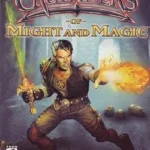
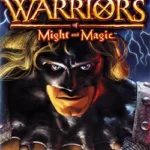
Crusaders of Might and Magic (1999/2000) represents a bold, experimental leap for The 3DO Company. In the late 90s, hoping to capitalize on the massive success of the mainline Might and Magic RPGs and the Heroes strategy series, 3DO decided to pivot the intellectual property into a third-person, hack-and-slash action RPG.
The resulting game is remembered as a fascinating piece of video game history—not necessarily for its flawless execution, but for its bizarre development cycle, which resulted in the PC and PlayStation 1 versions being two completely different games packaged under the exact same title.
The Narrative: A Crusade of Vengeance
The game takes place in a spin-off fantasy universe called Ardon. The story centers on a young warrior named Drake. As a boy, Drake witnessed his family massacred and his village burned to ashes by the Legion of the Damned—an army of undead skeleton warriors led by a ruthless, power-hungry madman named Necros.
Drake survives the raid, spends years honing his combat skills, and eventually joins the elite Crusaders of Might and Magic. Operating under the guidance of Celestia, the ruler of the floating city of Citadel, Drake is sent on a high-stakes military campaign to unify rival fantasy races (including Humans, Dwarves, and Elves), unravel Necros’s dark machinations, and execute his ultimate revenge.
The Great Engine Schism: PC vs. PlayStation 1
While most multi-platform titles of the era were simple direct ports, the two versions of Crusaders were handled by entirely separate 3DO branches, leading to a massive divergence in design:
- The PlayStation Version (The Original): Developed by 3DO’s Austin, Texas studio, the PS1 version had been in slow, deliberate production for several years. It was built from the ground up as a linear, tightly paced console action-adventure game with highly integrated RPG mechanics.
- The PC Version (The Rush Job): Handed to 3DO’s Redwood Shores studio, the PC development team was given a brutal seven-month timeline to push out a full-length game for the Christmas 1999 retail window. To make the deadline, they retrofitted an existing first-person shooter engine, attempting to force it into handling third-person melee combat.
Core Functional Differences:
| Feature | PlayStation 1 Version | PC (Windows) Version |
| World Design | Linear, compact, and structurally focused corridors. | Massively expanded, open-ended, but largely empty landscapes. |
| RPG Progression | Features active weapon proficiency scaling (weapons/spells grow stronger with physical practice). | Static progression; weapon damage and spell scaling depend strictly on items or stats. |
| Equipment | Features diverse armor suites, protective runes, and defensive amulets. | Highly bare-bones equipment slots; minimal armor variety. |
| Visual Elements | Standard low-resolution PS1 polygon counts and loading screens. | High-resolution textures, superior draw distance, near-seamless map loading, and a massive Necros airship asset. |
Gameplay Mechanics: Sword and Sorcery
Despite the environmental differences, both versions share the core loop of combining heavy physical melee weapons with elemental spellcasting:
- Hack-and-Slash Combat: Drake primarily relies on a sword-and-shield configuration. Combat focuses on timing blocks, dodging incoming overhead swings, and executing multi-hit combos against Necros’s skeletons, zombies, and orcs.
- The Elemental Spellbook: As Drake uncovers ancient shrines, he learns offensive and defensive magic across multiple disciplines:
- Fire Magic: Spells like Flame Arrow or Fireball for long-range crowd control.
- Earth Magic: Utility buffs like Stoneskin to temporarily maximize baseline physical armor.
- Air/Water Magic: Strategic spells like Lightning Bolt or specialized sight enhancements to expose hidden illusions.
Reception and B-Game Legacy
At launch, Crusaders of Might and Magic was hit with lukewarm to deeply negative critical reviews. Gamers heavily criticized the PC version for its awkward, clunky camera tracking, floaty combat hitboxes, and empty zone mapping—direct consequences of its incredibly rushed seven-month development crunch. The PlayStation version fared slightly better, praised for its tight console combat progression, but was still dragged down by a clunky final boss fight and repetitive level design.
Today, the title holds a distinct cult-classic status among retro gamers. Fans heavily look back at Crusaders for its distinct, liminal “budget game” atmosphere, its great soundtrack, and the pure nostalgia of playing a late-90s, experimental polygon hack-and-slash adventure.
Release History
- PC (Microsoft Windows): December 14, 1999
- PlayStation 1: February 28, 2000
- Modern Compatibility: The GOG release includes optimizations that allow the 1999 PC version to run on modern operating systems, officially supporting Windows 7, 8, 10, and 11.
- Included Extras: The digital package also bundles in digital goodies, including the game’s original soundtrack (in MP3 format) and themed avatars.
- Platform Availability: While it remains unavailable on Steam, GOG serves as the exclusive, DRM-free digital distributor keeping this unique piece of 3DO history accessible.