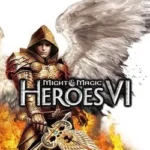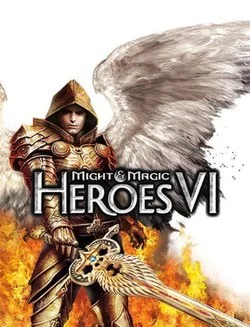
Might & Magic: Heroes VI
 77
★ /10
77
★ /10
 PC
PC
 Buka
Buka Ubisoft
Where to buy

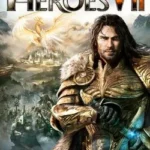
Might & Magic: Heroes VI (2011) arrived as a highly ambitious, visually spectacular, and intensely polarizing milestone in the history of the turn-based strategy franchise. Developed by the Hungarian studio Black Hole Entertainment and published by Ubisoft, the game coincided with the 25th anniversary of the Might & Magic brand.
To signal a fresh corporate era, the title executed a linguistic flip—rebranding from Heroes of Might and Magic to Might & Magic: Heroes. However, changing the title layout was the least disruptive alteration introduced. Heroes VI boldly streamlined decades of established franchise core loops, trading complex economic micromanagement for high-concept role-playing and modern structural overhauls.
The Modern Diet: Redefining the Macro-Strategy
To the shock of legacy purists, the developers chose to forcefully trim the mechanical fat of the series, altering how maps are secured and managed:
- The Seven-Resource Diet: The game completely scrapped the traditional seven-resource economy (Gold, Wood, Ore, Gems, Mercury, Sulfur, Crystals). It consolidated everything into just four resources: Gold, Wood, Ore, and Blood Crystal. This effectively transformed the entire global trade dynamic into a singular pursuit of a rare, specialized end-game crystal.
- Area of Control: The tedious cat-and-mouse meta of “mine-flipping”—where an enemy scout could slip behind your lines and flag your unprotected resource nodes—was completely deleted. Mines were permanently tethered to a regional Town or Fort. You could no longer claim a mine simply by standing on it; you had to execute a full military siege on the central regional hub to inherit its entire economic output.
- Global Town Conversion: If you were playing as a holy Knight and captured a molten demonic citadel, you no longer had to deal with the morale nightmare of a mixed-alignment army. For a flat cost of raw materials, players could completely convert any captured foreign settlement into their own faction’s architectural alignment, instantly swapping out the recruitment pool to match their primary army.
The Morality Matrix: Blood vs. Tears
Heroes VI injected a persistent, light-RPG progression track into your character development through the Reputation System. Based on how you completed campaign narrative choices or whether you chose to pursue or let fleeing neutral stacks escape, your Hero accumulated points toward two opposing philosophical schools:
- The Path of Tears: Rewarded defensive patience, mercy, and protection. Choosing Tears unlocked prestige hero tiers specialized in massive area-of-effect healing, crowd-control stasis fields, and defensive shields.
- The Path of Blood: Rewarded relentless aggression, absolute execution, and offensive combat spells. Choosing Blood transformed your commander into a frontline nuke, boosting initiative, damage parameters, and granting abilities that punished enemies for trying to retaliate.
Faction Architecture and the Champion Roster
Instead of the standard 7-tier vertical unit upgrade lines of Heroes III and V, the unit sandbox was organized into three streamlined categories: Core, Elite, and Champion. The base game shipped with five factions, including a breathtaking debut inspired by Asian mythology:
| Faction Alignment | Theme & Visual Identity | Ultimate Champion Unit |
| Haven | The Holy Griffin Empire; reliant on light magic, high morale, and protective human vanguards. | Seraph / Celestial |
| Necropolis | Shifting from traditional gothic themes to an elegant, ancient Egyptian-inspired cult of Asha the Spider Goddess. | Fate Spinner / Weaver |
| Inferno | Chaotic, brick-and-brimstone demons, reality-warping succubi, and lords of flame. | Pit Lord |
| Stronghold | Savage, anti-magic Orc tribes and beast-tamers driven by stacking primal battle rage. | Cyclops |
| Sanctuary (New) | A stunning, feudal Japanese-themed aquatic faction composed of Nagas, Kappas, and Pearl Priestesses. | Kirin / Sacred Kirin |
| Dungeon (Expansion) | Underground dark elves, faceless shadows, and stealth executioners. | Black Dragon |
The Conflux & Dynasty Weapon Backlash
The game’s most highly criticized feature at launch was the Conflux system—an always-online profile launcher framework.
The system introduced Dynasty Weapons, iconic artifact swords and staffs that players could physically level up globally across multiple standalone custom skirmishes and campaign runs to unlock permanent passive traits. However, because the system required a continuous, uninterrupted connection to Ubisoft’s servers, launch-era internet drops would frequently boot single-player users out of their active sessions or permanently strip their custom characters of their hard-earned items mid-match, severely impacting the title’s launch reception.
Boss Battles and the Transition to Limbic
Heroes VI pioneered massive, multi-tile Epic Boss Encounters. Battles against colossal entities like the multi-armed Mother Namtaru or elemental avatars abandoned normal grid combat, forcing players to dynamically reposition armies to avoid devastating environmental area-of-effect cycles.
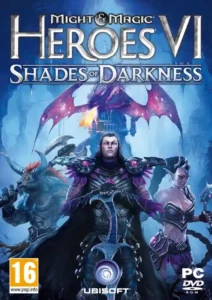
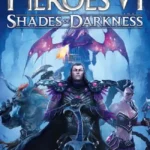
Following the post-launch bankruptcy of Black Hole Entertainment, the German developer Limbic Entertainment stepped in to stabilize the game via patches. They successfully stripped out many of the restrictive online requirements, refined the map balancing, and delivered the definitive standalone expansion pack, Shades of Darkness (2013), which brought back the fan-favorite Dark Elves of the Dungeon faction.
Release Platforms & Timeline
- Might & Magic: Heroes VI (Base Game): October 13, 2011 (PC / Microsoft Windows)
- Pirates of the Savage Sea (DLC Adventure): July 12, 2012
- Danse Macabre (Sandro-Themed DLC): September 27, 2012
- Shades of Darkness (Standalone Expansion): May 2, 2013
- Modern Lifecycle: The definitive experience is preserved digitally on PC via the Might & Magic: Heroes VI – Complete Edition bundle, combining all DLCs, factions, and independent patches under a singular client.