Warcraft III: The Frozen Throne
Expansion of Warcraft III: Reign of Chaos 88
★ /10
88
★ /10
 PC
PC
 Blizzard Entertainment
,
Blizzard Entertainment
Blizzard Entertainment,  Softclub
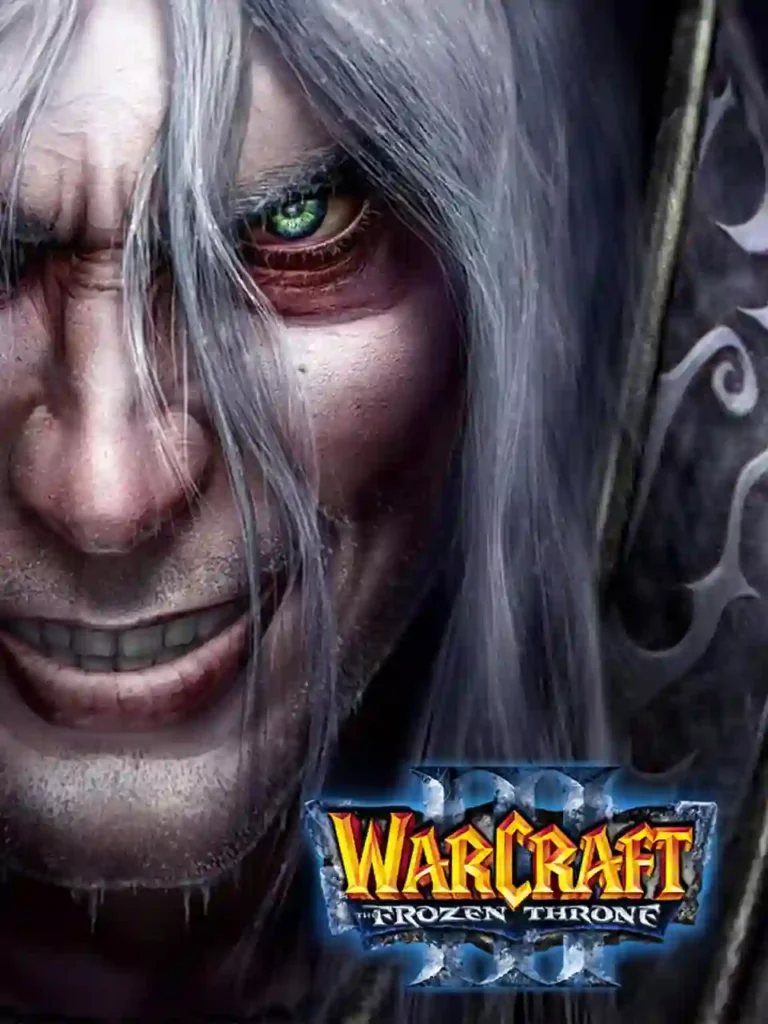
Warcraft III: The Frozen Throne is a 2003 real-time strategy (RTS) expansion pack developed and published by Blizzard Entertainment. Following the massive, industry-shifting success of Reign of Chaos, Blizzard delivered an expansion that is widely considered one of the greatest add-ons in PC gaming history. It perfected the RTS/RPG hybrid formula, dramatically expanded the competitive meta, and delivered a dark, emotionally devastating narrative that directly set the stage for World of Warcraft.
The story picks up in the immediate aftermath of the Burning Legion’s defeat at Mount Hyjal. The world is fractured. The rogue demon hunter Illidan Stormrage is hunted across the sea by his former jailer, Maiev Shadowsong. Meanwhile, Prince Arthas Menethil, now a corrupted Death Knight, returns to the ruined kingdom of Lordaeron to claim his throne, only to be violently overthrown by Sylvanas Windrunner and her newly freed faction of undead, the Forsaken. Bleeding power, Arthas must desperately race Illidan to the frozen, undead continent of Northrend to defend his master, the Lich King, who is trapped within the icy block of the Frozen Throne.
Gameplay
The Frozen Throne retained the core hero-leveling, low-upkeep, and creeping mechanics of the base game, but introduced a massive suite of new units, buildings, and entirely new hero concepts that shattered the stagnant late-game strategies of Reign of Chaos.
Key gameplay mechanics and additions include:
- The Tavern and Neutral Heroes: A massive, meta-defining addition. Maps now featured neutral “Tavern” structures where players could hire completely unique, unaligned Neutral Heroes to lead their armies without upgrading their Town Halls. These iconic heroes included the Naga Sea Witch, the Pandaren Brewmaster, the Beastmaster, and the Dark Ranger.
- Racial Shops: In the base game, players had to rely on random item drops from Creeps or neutral Goblin Merchant shops to heal their heroes. The Frozen Throne allowed every faction to build their own unique item shop directly inside their base, allowing for the quick purchase of crucial healing salves, mana potions, and teleportation scrolls.
- Expanded Arsenals: Every single base faction received one brand-new Hero unit (the human Blood Mage, the orc Shadow Hunter, the undead Crypt Lord, and the night elf Warden) and two completely new, highly specialized tactical units. Additions like the magic-stealing Spellbreaker and the devastating undead Obsidian Statue/Destroyer fundamentally altered competitive army compositions.
- Naval Warfare Returns: While strictly limited to the single-player campaign and custom games, the expansion briefly reintroduced the naval combat and amphibious transport mechanics last seen in Warcraft II.
- The Rexxar Campaign: Instead of a traditional base-building Orc campaign, Blizzard included an entirely separate, highly experimental bonus campaign titled The Founding of Durotar. Starring the half-ogre Beastmaster Rexxar, this campaign completely stripped away base-building. Instead, players controlled a small party of heroes roaming an open map, picking up side quests, exploring dungeons, and buying gear in towns—acting as an incredible prototype for the questing mechanics of World of Warcraft.
Development and Legacy
Released in July 2003, The Frozen Throne was met with universal critical acclaim. Reviewers lauded the phenomenal, character-driven storyline, the massive boost to competitive variety brought on by the Tavern heroes, and the sheer amount of content stuffed into the package.
However, the expansion’s most profound legacy lies in the massive upgrades it brought to the World Editor. Blizzard vastly expanded the scripting capabilities of the map-making tool. This upgraded engine allowed a modder named “IceFrog” to refine and perfect the legendary custom map Defense of the Ancients: Allstars (DotA Allstars). Because of The Frozen Throne‘s robust engine, the MOBA genre formally exploded in popularity, played by millions inside the Warcraft III custom game lobbies for years before League of Legends or Dota 2 ever existed as standalone titles.
Narratively, the tragic climax atop the Icecrown Glacier—where Arthas ultimately dons the Helm of Domination to become the Lich King—is widely considered the absolute pinnacle of Warcraft storytelling. It directly fueled the storyline for World of Warcraft: Wrath of the Lich King (2008), the most successful and beloved MMO expansion of all time.
Today, The Frozen Throne is no longer sold individually. It is permanently fused with Reign of Chaos under the umbrella of Warcraft III: Reforged. Benefiting immensely from the massive Reforged 2.0 update released in November 2024, modern players can experience the legendary expansion with beautifully updated HD visuals, modernized hotkeys, and seamless integration into the modern Battle.net matchmaking ecosystem.
Key Features:
- Tavern Heroes — Customize your army compositions with powerful, neutral mercenary heroes like the Naga Sea Witch and the Pandaren Brewmaster.
- The Race to Icecrown — Play through a dark, sprawling 26-mission campaign featuring the rise of the Blood Elves, the birth of the Forsaken, and the ultimate ascension of the Lich King.
- The RPG Prototype — Explore the open-world Founding of Durotar bonus campaign, a fascinating, quest-driven precursor to World of Warcraft.
- The Golden Age of Custom Games — Experience the specific game engine that fostered the creation of DotA Allstars, legendary Tower Defenses, and iconic custom RPGs.
- Integrated into Reforged — Play the definitive version of the expansion automatically included in the massively updated 2024 Warcraft III: Reforged client.
Release Platforms:
- Microsoft Windows (PC) / Mac OS — July 1, 2003
- Warcraft III: Reforged (PC, Mac) — January 28, 2020 (Received the massive 2.0 overhaul in November 2024; Currently available via the Battle.net launcher)
Warcraft news
More news
Blizzard Caps Dungeon XP in WoW: Forever to Keep World Central
WoW: Forever's First Patch Is Adding Intense Weather Effects Back
Blizzard Vows Aggressive Bans for WoW: Forever Gold Buyers
WoW Forever Beta Breaks Servers, Stuns Devs With Record Numbers