 90
90  PC
PC
 Blizzard Entertainment
Blizzard Entertainment
Blizzard Entertainment
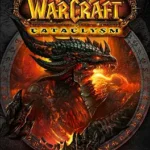
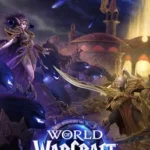
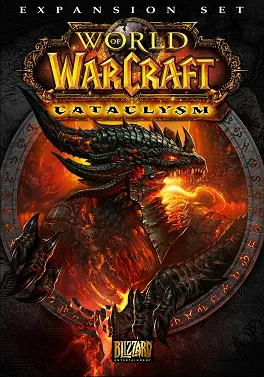
World of Warcraft: Cataclysm is the incredibly ambitious, highly divisive 2010 expansion pack for Blizzard Entertainment’s genre-defining MMORPG. Following the unprecedented peak of Wrath of the Lich King, Blizzard took a massive creative and technical risk. Instead of simply sending players to a new, isolated continent, they turned their focus back home—and literally blew it up.
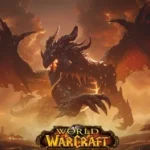
The narrative focuses on the return of Deathwing the Destroyer, a corrupted, massive Dragon Aspect who bursts forth from the elemental plane of Deepholm. His violent re-entry into Azeroth triggers “The Shattering,” a global cataclysm of earthquakes, tsunamis, and volcanic eruptions that physically tears the original continents of Kalimdor and the Eastern Kingdoms apart. As the world burns and elemental lords wage war, the Horde (under the aggressive new leadership of Warchief Garrosh Hellscream) and the Alliance plunge back into total war over the world’s dwindling resources.
Gameplay
Cataclysm raised the level cap from 80 to 85. Rather than one massive new landmass, high-level zones were scattered across the edges of the map (like the underwater realm of Vashj’ir, the desert of Uldum, and the elemental plane of Deepholm). However, the most profound changes happened to the core game systems.
Key gameplay mechanics and additions include:
- The Old World Revamp: The defining feature of the expansion. The original 1–60 leveling zones from 2004 were completely redesigned from the ground up. The Barrens was split in half by a massive lava chasm; Thousand Needles was completely flooded. This massive overhaul modernized the archaic 2004 quest design, creating a fluid, heavily narrative-driven leveling experience and finally allowing players to use Flying Mounts in the old world.
- New Races: The Alliance welcomed the Worgen (cursed, shapeshifting werewolves from the gothic, Victorian-inspired kingdom of Gilneas), while the Horde officially recruited the Goblins of the Bilgewater Cartel (bringing their explosive technology and corporate greed to the faction).
- Class Resource Overhauls: Cataclysm significantly overhauled how several classes played. Paladins received the combo-point-like “Holy Power” system, Hunters had their archaic “Mana” replaced completely with regenerating “Focus,” and Warlocks saw the early iterations of Soul Shard revamps.
- Transmogrification: Introduced late in the expansion (Patch 4.3), this highly requested feature permanently changed the WoW endgame. Players could finally pay gold to replace the visual appearance of their current armor with the appearance of older gear they had collected, sparking a massive sub-culture of “Transmog runs” through old raids to farm cosmetic looks.
- Looking For Raid (LFR): Also introduced in Patch 4.3, this tool applied the automated Dungeon Finder logic to endgame raids. It allowed casual players to click a button, queue up with 24 random strangers, and experience a significantly scaled-down, heavily nerfed version of the raid story without needing to join a dedicated guild.
Development and Legacy
Released in December 2010, Cataclysm was a monumental technical achievement. Redesigning the entire old world was a staggering undertaking for the development team. The expansion initially sold tremendously well, breaking PC sales records once again.
However, its legacy is highly controversial. Cataclysm marked the very first time in World of Warcraft history that subscriber numbers began to decline. The launch was infamous for the brutal difficulty of its Heroic Dungeons. After years of mindlessly “AoE-clearing” dungeons in WotLK, players were suddenly forced to meticulously use Crowd Control (CC) and coordinate interrupts, leading to massive community frustration and a high churn rate among casual players.
Furthermore, the addition of the automated “Looking For Raid” system, while a massive win for accessibility, is often cited by veteran players as the exact moment the community’s social fabric permanently frayed, as it removed the social friction required to organize and conquer endgame content. The permanent destruction of the original 2004 world also left many players deeply nostalgic, directly fueling the grassroots movement that would eventually force Blizzard to release WoW Classic years later.
In May 2024, Blizzard released World of Warcraft: Cataclysm Classic. This allowed the community to revisit the shattered world with modern hindsight, enjoying a slightly accelerated patch cycle and quality-of-life adjustments. As of 2026, the Classic progression servers have moved on to the beloved Mists of Pandaria era, but Cataclysm remains a fascinating turning point in MMO history—the expansion where Blizzard proved no part of their world was sacred.
Key Features:
- The Shattering — Experience a completely redesigned Azeroth, exploring the heavily modernized 1–60 leveling zones that permanently replaced the 2004 vanilla world.
- Worgen and Goblins — Play as two highly expressive new races, each featuring some of the most cinematic and beloved starting zones in the game.
- Master the Elements — Battle through spectacular new max-level zones, including the fully underwater realm of Vashj’ir and the Egyptian-inspired deserts of Uldum.
- Transmogrification — Define your own visual identity by collecting and combining the appearances of legendary armor sets from the game’s past.
- The Deathwing Finale — Battle atop the back of a massive flying dragon in the Dragon Soul raid, utilizing the LFR system to experience the cinematic conclusion.
Release Platforms:
- Microsoft Windows (PC) / Mac OS X — December 7, 2010
- World of Warcraft: Cataclysm Classic (PC, macOS) — May 20, 2024 (The Classic progression servers have since advanced past this era).