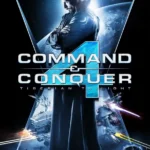
Command & Conquer 4: Tiberian Twilight
 64
★ /10
64
★ /10
 PC
PC
 EA Los Angeles
 Electronic Arts
Where to buy
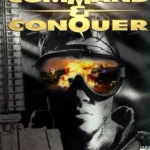
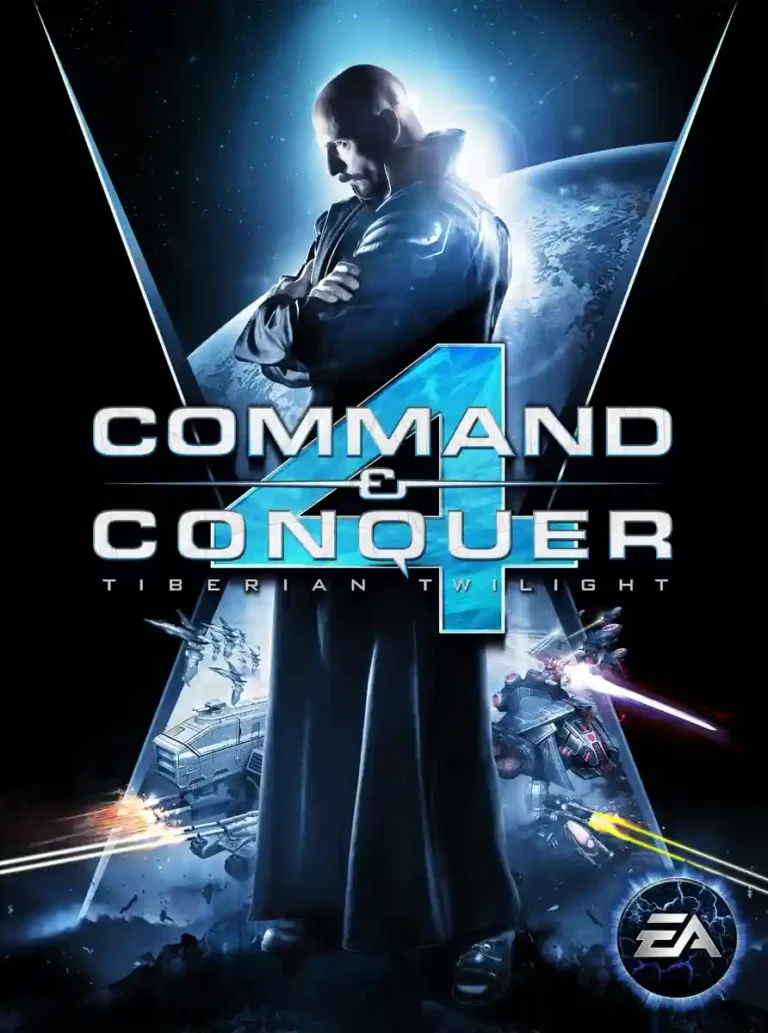
Command & Conquer 4: Tiberian Twilight is the 2010 real-time strategy (RTS) game developed by EA Los Angeles and published by Electronic Arts. Billed as the epic, definitive conclusion to the 15-year-old Tiberium saga, it is also, without a doubt, the most highly controversial and heavily criticized entry in the entire Command & Conquer franchise.
Taking a massive, polarizing risk, EA completely threw out almost every single core mechanical pillar that defined the series. There is no traditional base-building, no resource harvesting, and no massive armies. Instead, the game pivoted into a fast-paced, class-based, MOBA-adjacent tactical brawler.
The narrative leaps forward to the year 2062. The Earth is on the brink of total ecological collapse; Tiberium has evolved and is projected to render the planet entirely uninhabitable by 2068. In a shocking twist, Kane, the seemingly immortal leader of the Brotherhood of Nod, walks straight into the Global Defense Initiative (GDI) headquarters. Holding the alien Tacitus, Kane proposes an unthinkable alliance to build the Tiberium Control Network (TCN) to save the planet. Fifteen years later, the TCN is nearly complete, but hardliners within both GDI and Nod spark a violent rebellion, igniting the Fourth Tiberium War and the final chapter of Kane’s ascension.
Gameplay and Mechanical Overhauls
Tiberian Twilight abandoned the classic RTS formula entirely. The game was built around 5v5 objective-based multiplayer (heavily resembling the “Domination” mode in first-person shooters), and this design philosophy dictated every mechanical change.
Key gameplay mechanics and massive, controversial departures include:
- The Crawler System: Traditional Construction Yards are gone. Instead, players deploy a massive, mobile walking factory called a Crawler. You build units directly from the Crawler as it moves across the map. If your Crawler is destroyed, you aren’t eliminated—you simply respawn and drop a brand new one from orbit.
- No Resources or Economy: There are no Tiberium fields to harvest, no Refineries, and no money. Instead, players are given a strict “Command Point” cap (usually around 50 points). You can only build a handful of units at a time. As units die, points are refunded, and you constantly churn out replacements.
- Control Nodes: The entire game revolves around capturing and holding TCN nodes scattered across the map to drain the enemy team’s victory tickets.
- Always-Online DRM and Progression: Tiberian Twilight tied player progression to a unified, persistent profile. To unlock higher-tier units, you had to grind experience points across multiplayer and single-player matches. Because of this progression system, the game required a strict, always-online internet connection to play, even if you just wanted to play the solo campaign.
The Class System
At the start of a match (and whenever your Crawler is destroyed), you must choose one of three highly specialized classes. This system applies to both GDI and Nod, forcing players to adopt rigid roles within their 5v5 team:
- The Offense Class: The frontline brawler. This class is entirely focused on heavy armor, traditional tanks, and high DPS. They deploy walkers, hover-tanks, and massive laser mechs to push the front lines.
- The Defense Class: The absolute only class in the game capable of building structures. The Defense Crawler moves sluggishly but can set up bunkers, anti-air turrets, and massive energy shields. This class focuses heavily on holding captured nodes and deploying specialized infantry.
- The Support Class: The combat medic and air force. Support Crawlers literally fly over the battlefield. They build the faction’s aircraft and possess an arsenal of support powers, allowing them to heal friendly units, debuff enemies, or call in localized airstrikes.
Development and Legacy
Released in March 2010, the backlash to Tiberian Twilight was immediate and severe. Hardcore fans felt completely alienated by the removal of base building and economy management. The progression grind meant new players were completely outmatched in multiplayer by veterans who had unlocked superior units, and the always-online requirement led to massive frustration when EA’s servers fluctuated.
The reason for this massive mechanical shift eventually came to light: Tiberian Twilight was originally never meant to be Command & Conquer 4. It began development in 2008 as an Asian-market, multiplayer-only spin-off project internally titled Command & Conquer: Arena. Late in development, EA executives mandated that the project be rebranded into a mainline, numbered sequel and a single-player campaign hastily attached to it to wrap up the Tiberium storyline.
Despite featuring Joseph D. Kucan’s final, wonderfully charismatic performance as Kane in the live-action FMV cutscenes, the story was criticized for leaving massive plot holes unresolved and ending the 15-year saga on an incredibly confusing note.
Today, Command & Conquer 4 serves as a fascinating, tragic cautionary tale of what happens when a publisher fundamentally misunderstands the core appeal of an established franchise. The game effectively put the mainline C&C franchise into a deep freeze for over a decade. However, for historical preservation and completionists, the game remains fully playable today as part of the Ultimate Collection.
Key Features:
- The Crawler — Command a massive, mobile, respawning base capable of churning out units directly on the front lines.
- Class-Based Tactics — Choose between Offense, Defense, and Support roles, working alongside your teammates to secure strategic map objectives.
- Objective Multiplayer — Experience a rapid-fire, micro-management-heavy 5v5 multiplayer environment focused purely on combat rather than base-building.
- The End of Kane — Watch the final live-action FMV performances wrapping up the storyline of the Brotherhood of Nod and the Tiberium crystal.
- The Black Sheep — Experience the most controversial entry in the franchise’s history, available today via the Ultimate Collection.
Release Platforms:
- Microsoft Windows (PC) — March 16, 2010
- (Currently available on Steam and the EA App strictly as part of the Command & Conquer The Ultimate Collection).