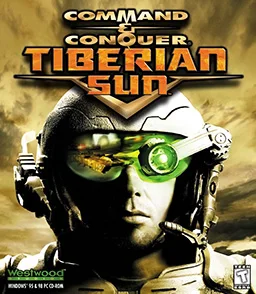
Command & Conquer: Tiberian Sun
 PC
PC
 Westwood Studios
 Electronic Arts
Where to buy

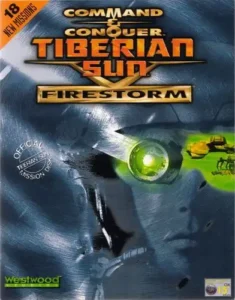
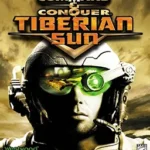
Command & Conquer: Tiberian Sun is a 1999 real-time strategy (RTS) epic developed by Westwood Studios and published by Electronic Arts. Releasing at the absolute height of the late-90s RTS boom, it was one of the most wildly anticipated PC games of the decade. Serving as the direct sequel to the groundbreaking 1995 original (Tiberian Dawn), Tiberian Sun abandoned the grounded, modern-military feel of its predecessor, plunging the franchise into a dark, gritty, post-apocalyptic sci-fi nightmare.
The narrative takes place in the year 2030. The alien Tiberium crystal has aggressively spread, mutating the Earth’s flora and fauna and rendering massive swathes of the planet completely uninhabitable. The Global Defense Initiative (GDI) has relocated to orbital command stations, believing they had decisively won the first war. However, the world is violently shaken when Kane—the enigmatic leader of the Brotherhood of Nod, presumed dead after the climax of the first game—suddenly reappears on global television broadcasts. With Kane back in control, a revitalized, highly advanced Brotherhood launches a massive surprise offensive, sparking the Second Tiberium War.
Gameplay
Tiberian Sun represented a massive technological leap for Westwood. They built a brand-new 2.5D isometric engine that utilized heavily detailed sprites for structures and infantry, while utilizing Voxel technology for the vehicles, allowing for dynamic lighting and smooth rotations without true 3D rendering.
Key gameplay mechanics and historical innovations include:
- Deformable Terrain: The battlefield was no longer static. Heavy artillery barrages and ion cannon strikes would physically crater the terrain, altering pathfinding and slowing down vehicles. Furthermore, ice on frozen rivers could be shattered by explosives, instantly drowning units that were standing on top of it.
- Dynamic Lighting: The engine introduced day/night cycles and colored lighting. During night missions, base spotlights, glowing Tiberium fields, and the muzzle flashes of laser weaponry dynamically illuminated the darkness.
- Waypoints and Guard Modes: The UI was heavily upgraded. Players could easily set up complex patrol waypoints, queue up massive unit production lines, and order units to aggressively guard specific locations or escort vulnerable Harvesters.
- The Tiberium Ecosystem: Tiberium was no longer just a green crystal you harvested. It had evolved. The game introduced Blue Tiberium (highly explosive and worth significantly more credits), Tiberium Veinhole Monsters (massive, stationary maws that swallowed vehicles), and Tiberium Fiends (mutated, dog-like beasts that fired crystalline shards).
The Factions
The factions evolved significantly over the 30-year time jump, embracing wild, asymmetrical sci-fi technologies:
- The Global Defense Initiative (GDI): Moving away from traditional tanks, GDI embraced heavy bipedal mechs. Their backbone consists of the anti-infantry Wolverine and the heavily armored Titan walker. They command the skies with Orca Fighters and Bombers, deploy troops directly onto the battlefield via orbital Drop Pods, and end bases with the devastating orbital Ion Cannon.
- The Brotherhood of Nod: Nod leaned entirely into stealth, subterranean warfare, and cyborgs. They can cloak their entire base using Stealth Generators. Rather than fighting head-on, they use Subterranean APCs and Devil’s Tongue flame-tanks to burrow under base defenses and emerge inside the enemy camp. Their super-weapon is the terrifying Multi-Missile, a cluster nuke that poisons the ground with chemical waste.
- The Forgotten: While not a fully playable RTS faction, the Mutants (humans who survived Tiberium exposure) play a massive role in the campaign and skirmishes. They feature specialized hero units like the Mutant Hijacker (who can steal enemy vehicles) and the Ghost Stalker (wielding a deadly railgun).
Development and Legacy
Released in August 1999, Tiberian Sun was a massive commercial success, though its reception was initially complicated. Because the game was delayed multiple times and the hype was astronomically high, some fans were slightly disappointed by the sluggish pacing and the engine’s occasional pathfinding bugs.
However, its atmosphere remains unmatched. The Full-Motion Video (FMV) cutscenes were elevated to Hollywood status, featuring legendary actors like James Earl Jones as GDI General Solomon and Michael Biehn as Commander McNeil. The soundtrack, composed by Frank Klepacki and Jarrid Mendelson, shifted away from the heavy metal of Red Alert into dark, brooding, ambient industrial electronica, perfectly matching the dying, mutated Earth.
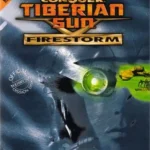
In 2000, Westwood released a fantastic expansion pack, Firestorm, which introduced a terrifying rogue AI named CABAL and forced GDI and Nod into a desperate alliance.
Today, Tiberian Sun is remembered as a moody, atmospheric masterpiece. Electronic Arts officially released the game as freeware back in 2010. Consequently, it is incredibly easy to play today. The community-run CnCNet platform offers a fully modernized, flawlessly patched version of the game that runs perfectly on modern operating systems and supports highly active, competitive online multiplayer.
Key Features:
- Post-Apocalyptic Atmosphere — Experience a grim, beautifully rendered vision of a dying Earth, completely mutated by the spread of the alien Tiberium crystal.
- Walkers vs. Cyborgs — Master the devastating bipedal mechs of GDI or utilize the burrowing flame-tanks and cloaking technology of the Brotherhood of Nod.
- Hollywood Cast — Enjoy high-budget, live-action FMV cutscenes starring James Earl Jones, Michael Biehn, and the iconic Joseph D. Kucan as Kane.
- Deformable Battlefields — Use artillery to crater the ground, destroy bridges to cut off supply lines, and sink enemy columns by shattering frozen lakes.
- Freeware Classic — Easily accessible today; available via the EA App/Steam’s Ultimate Collection or completely for free through community hubs like CnCNet.
Release Platforms:
- Microsoft Windows (PC) — August 26, 1999
- (Currently available as freeware via CnCNet or via Steam/EA App as part of the Command & Conquer The Ultimate Collection).