 77
77  PC
PC
 Activision,
  Sierra


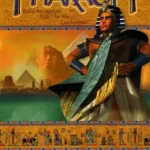
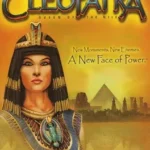
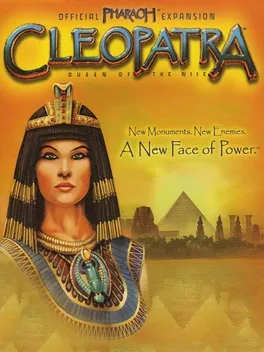
Cleopatra: Queen of the Nile (2000) stands as the epic, high-stakes grand finale of Impressions Games and Sierra On-Line’s legendary Egyptian city-building era. Developed by BreakAway Games and released on July 11, 2000, this expansion pack wasn’t just a simple asset dump—it was a sophisticated, mechanically punishing continuation that pushed the foundational Pharaoh engine to its absolute physical limits. Faced with the daunting task of concluding a multi-millennium dynastic narrative, the developers delivered a feature-dense chapter that bridged classic Nile management with the chaotic, militaristic geopolitical landscapes of the Hellenistic and Roman worlds.
The Final Twilight: A Broken Kingdom
Cleopatra completely pivoted away from the isolated, unified Old Kingdom pyramid-building eras of the base game. Instead, it established a fresh, highly volatile campaign continuity: The Late Period and the Ptolemaic Dynasty.
The game’s economic landscapes and military theaters are strictly governed by the crumbling geopolitical reality of Egypt’s twilight. The massive, 4-campaign narrative tracks everything from the expansive conquests of Ramesses II and the construction of the Valley of the Kings, all the way to the desperate, brilliant diplomatic tap-dancing of Cleopatra VII herself as she tries to fend off the absolute imperial consolidation of Julius Caesar and Octavian’s Rome.
The Logistical Evolution: Late-Dynastic Refinement & New Commodities
BreakAway Games deliberately utilized the Pharaoh engine as its architectural anchor, retaining the roadblock-driven walker systems and the seasonal Nile Inundation. However, they heavily evolved the manufacturing and environmental layers:
- The Luxury Commodity Pipeline: The industrial grid expanded to include high-tier refinement chains. Raw materials can no longer immediately satisfy late-era Roman and Greek citizens. Rulers must construct Paint Manufactories siphoning henna and ochre, and Lamp Makers utilizing clay and flax oil to produce illumination, transforming baseline housing districts into fully lit, highly civilized urban centers.
- The Valley of the Tombs: Pyramid construction was entirely phased out for specific historical scenarios. Cleopatra introduced the architectural concept of carving hidden, rock-cut tombs directly into desert cliffsides. This shifted monument logistics from open-air bricklaying to subterranean excavating, forcing players to manage massive influxes of stonemasons operating in cramped, isolated map coordinates.
- The Biblical and Foreign Cataclysms: The random event engine received an aggressive injection of chaotic hazards. Cities are no longer just fighting standard house fires or minor localized famines. Rulers must stabilize their populace through apocalyptic event triggers—including swarms of crop-devouring Locust Plagues, severe Hail Storms that flatten urban sectors, and specific narrative scenarios where the Nile dynamically turns to a thick layer of Blood, completely disabling water purification and floodplain farming.
The Deep Meta: Tomb Robbing & International Warfare
To maximize tactical tension, Cleopatra implemented a brutal domestic crime layer alongside rapid-deployment army logistics. When a ruler constructs a grand burial monument in the Valley of the Kings, the structures become an instantaneous target for a unique, highly destructive criminal archetype: The Tomb Robber.
If your police networks or military patrols fail to blanket the burial coordinates, these agile thieves will physically infiltrate the monument, pillaging your state treasures, cratering your global Kingdom rating, and triggering massive domestic rioting.
Furthermore, warfare shifted away from localized skirmishes. Players face hyper-aggressive foreign empires—including the heavily armored iron-shield phalanxes of the Persians, the Macedonian vanguards, and the absolute military juggernaut of the Roman legions, demanding the rapid construction of massive fortresses and the recruitment of elite composite bowmen and chariot divisions.
Monumental Masterworks Matrix
The table below maps out the signature monumental engineering projects introduced in the expansion, alongside their explicit structural requirements and town rewards:
| Monumental Masterwork | Historical Blueprint | Architectural Resource Cost | Explicit Tactical/Economic Town Buff |
| Pharos Lighthouse | Port of Alexandria | Massive blocks of Granite, Timber, and active structural Lamp oil logistics. | Completely immunizes all international trade fleets from maritime shipwreck events, dynamically doubling global import/export profits. |
| Great Library of Alexandria | Intellectual Capital | Extensive caches of fine Papyrus, Brickwork, and expensive Marble imports. | Drastically accelerates the technological learning curve of all local schools and Academies, permanently boosting city-wide Culture ratings. |
| Abu Simbel | Cliffside Iconography | Thousands of game turns of manual rock-carving via specialized Sculptor Guilds. | Radiates a massive aura of divine intimidation that permanently suppresses the rebellion and riot thresholds of foreign-born POPs. |
| The Caesarion | Ptolemaic Temple Complex | Monolithic layouts of cut Limestone, Sandstone, and precious jewelry tributes. | Generates a permanent daily baseline influx of Imperial Favor points, blocking Rome from launching punitive legion invasions. |
The Modern Integration: A New Era Era
While the official expansion lifecycle concluded in 2000, Cleopatra sits fully complete alongside its parent game as an immortal masterpiece of retro strategy. For contemporary players running the original 2000 software, modern preservation relies entirely on user-made widescreen patches to adjust the 4:3 fixed interface layouts for modern flat-panel monitors.
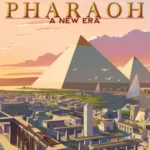
However, the definitive way the community interacts with Cleopatra today is through Pharaoh: A New Era (2023). This modern Unity engine reconstruction natively merges 100% of the Cleopatra: Queen of the Nile campaign maps, unique industries, and monumental projects directly into the core client out-of-the-box. The modern standard utilizes the community-maintained quality-of-life toggles inside the remake, allowing players to utilize the global labor pool and interactive trading panels to navigate Cleopatra’s high-difficulty endgame missions without the rigid engine crashes of the vintage retail disc.
Release History
- Pharaoh (Base Game): October 31, 1999 (North America / Europe)
- Cleopatra: Queen of the Nile (Expansion 1): July 14, 2000 (North America / Europe)
- Pharaoh: A New Era (Unified Remake): February 15, 2023 (Global Digital Release)
Modern Packaging: Natively bundled together as a definitive classic digital package, the original expansion and its parent title are sold globally as Pharaoh + Cleopatra on storefronts like Steam and GOG, while the completely modernized graphical overhaul is available as Pharaoh: A New Era.