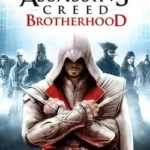
Assassin’s Creed Brotherhood
 88
★ /10
88
★ /10
 PC
PC PS 3
PS 3 Xbox 360
 ak tronic Software & Services GmbH,
  Akella,
  Ubisoft
Where to buy

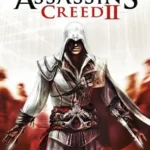
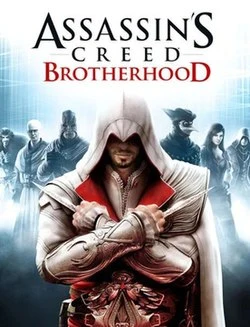
Assassin’s Creed: Brotherhood is a 2010 action-adventure stealth video game developed by Ubisoft Montreal and published by Ubisoft. Serving as the direct narrative sequel to Assassin’s Creed II (2009), it is the second chapter in the acclaimed “Ezio Trilogy.” Originally conceptualized as a multiplayer expansion, the project quickly evolved into a massive, standalone, full-length title that refined and perfected the mechanical foundations laid by its predecessor.
The story picks up literally moments after the conclusion of Assassin’s Creed II. In the modern day, Desmond Miles and his team flee to the modern ruins of Villa Monteriggioni to hide from Abstergo and dive back into the Animus. In the 16th century, Ezio Auditore returns home to Monteriggioni, believing his war against the Templars is over. However, the villa is violently besieged by the ruthless Cesare Borgia, son of Pope Rodrigo Borgia. With his home destroyed, his uncle Mario murdered, and the Apple of Eden stolen, a wounded Ezio flees to Rome. The city is suffering under the tyrannical rule of the Borgia family, and Ezio must rebuild the fractured Assassin Brotherhood from the ground up to liberate Rome and eliminate Cesare.
Gameplay
Brotherhood took the established open-world mechanics of Assassin’s Creed II and shifted the focus from exploring multiple Italian cities to mastering a single, massive, and highly detailed metropolis: Rome. The game introduced several aggressive, empowering mechanics that made Ezio feel like a true Master Assassin.
Key gameplay mechanics include:
- The Brotherhood System: Ezio is no longer a lone wolf. Players can rescue rebellious citizens from Borgia guards and recruit them into the Assassin Order. These recruits can be summoned at any time during gameplay to assassinate targets, engage in open combat, or rain arrows down from the rooftops. Players also send them on management-style contract missions across Europe to level them up and upgrade their gear.
- Borgia Towers: Rome is divided into districts heavily controlled by Templar influence. To unlock a district, Ezio must assassinate the local Borgia captain and ignite their towering command post. This lowers the Templar influence, allowing Ezio to purchase and renovate the local blacksmiths, tailors, and landmarks.
- Execution Streaks: The combat system was significantly sped up to favor offensive play. Once Ezio kills an enemy or performs a counter-kill, he can immediately chain that attack into a one-hit “execution streak” against the next nearest enemy, allowing skilled players to fluidly wipe out massive crowds of guards in seconds.
- Leonardo’s War Machines: Leonardo da Vinci returns, having been forced to build advanced weaponry for the Borgia army. Ezio must undertake highly cinematic, vehicle-based missions to destroy these prototypes, which include an early machine gun, a naval cannon, a flying bomber, and a fully functional wooden tank.
- Competitive Multiplayer: Brotherhood introduced online multiplayer to the franchise for the first time. Framed as Abstergo employees training in the Animus, players engaged in tense, cat-and-mouse stealth matches where they had to blend in with crowds of NPCs to assassinate assigned player targets while simultaneously avoiding the players hunting them.
Development and Legacy
Developed in less than a year by a massive collaboration between Ubisoft Montreal and several sister studios (including Ubisoft Annecy, who handled the multiplayer), Brotherhood was a staggering achievement in development efficiency. Despite its incredibly short production cycle, the game did not feel rushed; instead, it felt like the ultimate, polished realization of the classic Assassin’s Creed formula.
Rome was built to be significantly larger than any previous city in the franchise, necessitating the introduction of rideable horses within the city walls and a fast-travel tunnel system. The narrative also matured, showcasing an older, wiser Ezio stepping into the role of a mentor. Cesare Borgia, with his unhinged ambition and memorable voice acting, is frequently cited alongside his father as one of the franchise’s greatest villains.
Upon its release in November 2010, Brotherhood received universal critical acclaim, winning numerous “Best Action/Adventure Game” and “Best Multiplayer” awards. It proved that an annualized release schedule for the franchise was commercially viable (a model Ubisoft would strictly follow for the next several years) and is still widely regarded by fans and critics as the mechanical peak of the Ezio era.
Key Features:
- Command the Brotherhood — Recruit, train, and deploy your own guild of Assassins to aid you in combat and level them up into Master Assassins.
- Liberate Rome — Dismantle the Borgia’s grip on the city by burning their towers and investing your wealth to rebuild Rome’s economy and landmarks.
- Lethal Combat — Master the execution streak system to aggressively and fluidly chain together stylish kills against large groups of enemies.
- War Machines — Embark on explosive set-piece missions to hijack and destroy Leonardo da Vinci’s terrifying mechanical inventions.
- Innovative Multiplayer — Experience a unique, stealth-focused online competitive mode that rewards blending in, patience, and silent kills over chaotic action.
Release Platforms:
- PlayStation 3 — November 16, 2010
- Xbox 360 — November 16, 2010
- Microsoft Windows (PC) — March 17, 2011
- Mac OS X — May 2011
- PlayStation 4 / Xbox One (Included in The Ezio Collection) — November 15, 2016
- Nintendo Switch (Included in The Ezio Collection) — February 17, 2022