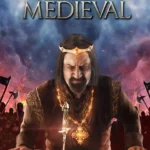
Grand Ages: Medieval
 63
★ /10
63
★ /10
 PC
PC PS4
PS4


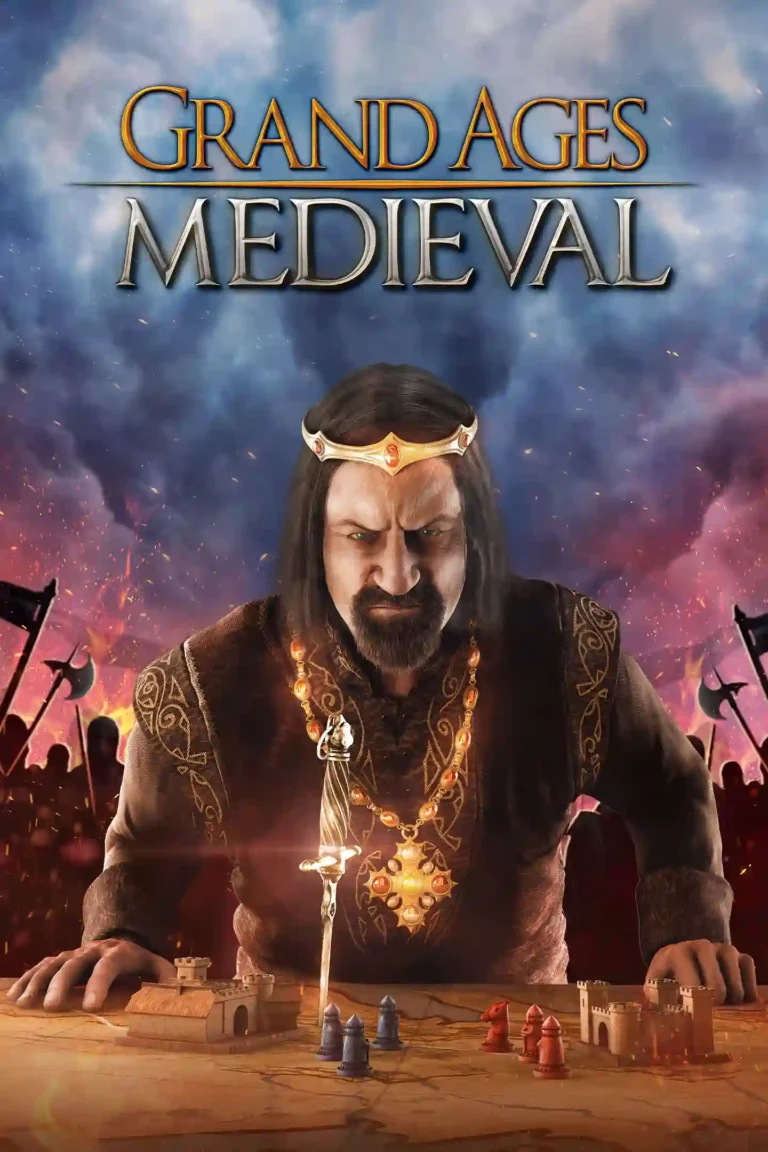
Grand Ages: Medieval is a real-time grand strategy and economic simulation video game developed by Gaming Minds Studios and published by Kalypso Media. Released on September 25, 2015, for Microsoft Windows and PlayStation 4, the title serves as the spiritual successor to 2009’s Grand Ages: Rome. Shifting its focus away from classical antiquity, the game drops players into the High Middle Ages, tasking them with transforming a minor local settlement into a sprawling, continent-spanning mercantile and military empire.
Technical Specifications
| Attribute | Details |
| Developer | Gaming Minds Studios |
| Publisher | Kalypso Media |
| Release Date | September 25, 2015 |
| Platform(s) | Microsoft Windows, PlayStation 4 |
| Genre(s) | Real-time Grand Strategy, Economic Simulation |
| Mode(s) | Single-player, Multiplayer (up to 8 players) |
Setting and Campaign Overview
The game is set in the year 1050 AD during the dawn of the High Middle Ages. The playable sandbox environment is exceptionally vast, spanning over 30 million square kilometers across the entirety of Europe, North Africa, and the Middle East.
In the single-player campaign, players start out as a minor mayor governing a small European settlement. To expand their domain, they must navigate regional politics, deploy settlers, map out untouched wilderness, and steadily integrate foreign towns into their empire through economic prowess, diplomatic maneuvering, or military subversion.
Core Gameplay Mechanics
1. The Supply and Demand Economy
At its core, Grand Ages: Medieval functions as an intricate trade simulator. The game features a dynamic economic network driven by the production of 20 distinct commodities, including basic foodstuffs, raw coal, wood, and luxury garments.
Individual cities can only produce up to five unique goods based on their local geography and raw resource nodes. To expand your empire’s reach, you must establish automated trade routes using donkey caravans and merchant ships to balance regional supply and demand. Flooding a town with excess goods crashes prices, while shortages completely halt population growth and trigger civil unrest.
2. Regional Integration and Military Logistics
The overworld map is partitioned into 14 distinct geographical regions, each possessing a unique climate and local population threshold. Securing a high enough percentage of the population within a region unlocks a powerful regional title and allows the player to recruit specialized military units and unique historical generals, such as:
- France: Unlocks the elite Knight unit under the command of Hugo of Payns.
- Britannia: Grants access to the lethal Longbowman commanded by Robin Hood.
- Byzantium: Unlocks high-tier Crossbowmen led by Alexios Skavo.
Military forces require strict logistical support. Armies demand constant gold maintenance and food supplies funneling out from your nearest economic hubs. Leaving an army unsupported in neutral or hostile territory rapidly depletes unit morale, rendering troops highly vulnerable to starvation and desertion.
3. Natural Disasters and Technological Progression
To keep players on their toes, the game features a dynamic environmental engine that triggers random natural disasters and epidemics based on regional traits. Settlements can be abruptly devastated by volcanic eruptions, droughts, forest fires, earthquakes, or outbreaks of disease. Surviving these crises relies heavily on researching advancements across a massive technological tree containing over 50 major advancements, allowing players to unlock advanced masonry, better agricultural crop yields, and superior ship hulls.
Legacy and Preservation Status
While critics at launch praised the game’s massive geographic scale and streamlined trade-route automation, it received mixed reviews regarding the depth of its tactical military combat, which often boiled down to overwhelming opponents with larger numbers. The PlayStation 4 debut marked a notable milestone as one of the few traditional PC-style economic grand strategies to successfully translate its complex economic loops to a console controller interface.
The game remains accessible and finalized on digital platforms like Steam and GOG.com. The original software is well-preserved, functioning stably on modern 64-bit Windows 11 architectures. Because the game focuses on macro-management over intense real-time reflexes, its clean visual layout and automated economy loops continue to offer a highly rewarding, relaxing simulation experience for strategy purists.
To get a closer look at the actual visual interface, colony construction, and macro trade loops running in real time, you can check out this Grand Ages Medieval Gameplay Preview. This overview breaks down the general flow of exploration, settlement setup, and economic expansion across the map.