Silent Hill 2
 89
★ /10
89
★ /10
 PC
PC PS 2
PS 2 Xbox
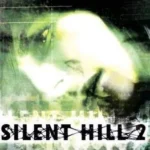
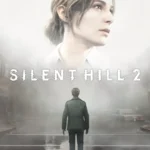
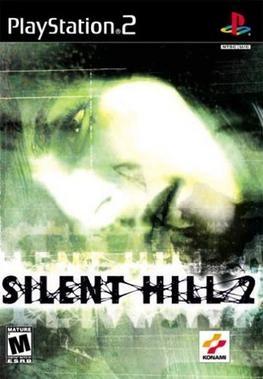
XboxSilent Hill 2 is a 2001 psychological survival horror game developed by Team Silent (a group within Konami Computer Entertainment Tokyo) and published by Konami. Originally released for the PlayStation 2 (and later ported to the Xbox and PC as the Director’s Cut), it is widely and almost universally regarded by critics, scholars, and fans as one of the greatest and most influential video games ever created, standing as the absolute gold standard for psychological horror.
Core Concept and Story
Unlike the first Silent Hill, which focused heavily on a dark occult ritual and a young girl’s psychic powers, Silent Hill 2 takes a deeply personal, intimate, and emotionally devastating approach to its narrative.
You play as James Sunderland, a broken and deeply melancholic man who receives a letter from his wife, Mary. The letter states that she is waiting for him in their “special place” in the resort town of Silent Hill. The impossible catch is that Mary died of a terrible, terminal illness three years prior. Driven by a desperate, delusional hope, James travels to the fog-drenched town.
Instead of an occult conspiracy, James discovers that the town itself acts as a dark, metaphysical mirror. It manifests the repressed traumas, guilt, and darkest desires of whoever steps into the fog. As James searches for Mary, he encounters other lost souls (like the deeply traumatized Angela and the unhinged Eddie), a highly sexualized doppelganger of his wife named Maria, and the relentless, terrifying executioner known as Pyramid Head.
Gameplay and Features
The game perfectly utilizes the technological constraints and gameplay tropes of the early 2000s to induce maximum dread:
- The Fog and The Darkness: The iconic, suffocating fog was originally conceived in the first game to hide the limited draw distance of the PS1 hardware. In Silent Hill 2, Team Silent perfected it on the PS2 as an artistic tool. It creates intense claustrophobia, forcing you to rely on your broken radio—which emits terrifying, screeching static whenever a monster is near—and a harsh pocket flashlight that illuminates only a few feet in front of you.
- Psychological Enemy Design: Every single monster in the game is a literal manifestation of James’s subconscious. The straightjacket-bound “Lying Figures” represent agonizing sickness, the faceless “Bubble Head Nurses” represent his repressed sexual frustration and anxiety regarding hospitals, and Pyramid Head serves as his subconscious desire for brutal punishment.
- Independent Difficulties: The game features a brilliant system that allows you to set the “Action Level” (combat difficulty) and the “Riddle Level” (puzzle difficulty) completely independently of one another. Putting the puzzles on the hardest setting fundamentally changes the clues into complex riddles that require deep reading comprehension and abstract logic.
- Subtle Morality System: Silent Hill 2 features multiple, vastly different endings, but it does not use a traditional “Good/Evil” dialogue tree. Instead, the game secretly tracks your subconscious behavior. How often you heal yourself, whether you examine a specific knife in your inventory, how close you stay to Maria, and whether you frequently read Mary’s letter all dictate James’s mental state and seamlessly determine the ending you receive.
Reception and Masterpiece Status
Silent Hill 2 was a massive critical and commercial success upon release, but its legacy has only grown more profound over the last two decades.
It is frequently cited as the prime example of “video games as art.” The deeply mature, taboo themes it tackles—euthanasia, domestic abuse, sexual repression, and severe depression—were handled with a level of nuance and sensitivity that was virtually unheard of in the gaming medium in 2001. Furthermore, Akira Yamaoka’s melancholic, trip-hop, and industrial-infused soundtrack (featuring legendary tracks like “Theme of Laura” and “Promise”) is widely considered one of the greatest video game scores ever composed.
Quick Note
Silent Hill 2 is the undisputed king of the psychological horror genre.
In short: It uses the clunky tank controls and fixed camera angles of the PS2 era not just as mechanics, but as tools to make you feel vulnerable and lost. It is a deeply depressing, masterfully written descent into the human psyche that will leave you thinking about its themes and characters long after the credits roll.
Silent Hill news
More news
Konami Eyes Second and Third Waves of Silent Hill Games

Roy Lee Reportedly Developing a New Silent Hill Movie

Konami Targets Annual Silent Hill Releases, Teases Surprises