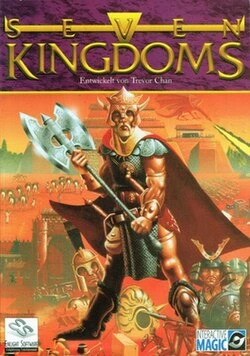
Seven Kingdoms
 PC
PC


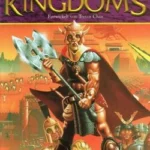
Seven Kingdoms (1997) is the RTS for the player who finds StarCraft too frantic and Civilization too slow. Developed by Trevor Chan and Enlight Software, it is a masterclass in grand strategy that prioritizes trade, diplomacy, and deep-cover espionage over raw “click-per-minute” combat. It was one of the first games to suggest that you could conquer the world without ever firing a single arrow—though having a few legions of elite soldiers certainly helps.
The Strategy of the State: Population and Loyalty
In Seven Kingdoms, your “units” aren’t just faceless soldiers; they are citizens. The game treats population as a finite, precious resource that must be managed with a delicate touch.
- Loyalty over Liberty: Every village has a loyalty rating. If you tax them too heavily or fail to protect them from invaders, they will rebel or, worse, defect to a rival kingdom. High loyalty is achieved through low taxes, strong leadership, and the construction of seats of power.
- Ethnic Diversity: You can govern multiple nationalities (Greeks, Persians, Vikings, etc.). Each race has specific strengths—the Chinese are masters of science, while the Normans excel at construction. Balancing a multi-ethnic empire requires careful management, as certain nationalities may clash if forced to share the same barracks.
The Art of the Shadow: A Legendary Spy System
The espionage system in Seven Kingdoms remains arguably the best ever implemented in the genre. It turns the “fog of war” into a psychological battlefield.
- The Deep Cover Op: You can send a spy into an enemy kingdom where they act as a regular citizen. Over time, they can be recruited into the enemy army, rise through the ranks to become a General, and eventually be appointed as the governor of a city.
- The Grand Betrayal: At the height of their power, you can trigger your spy to “defect,” bringing the entire city, its garrison, and its treasury over to your side in a single heartbeat.
- Counter-Intelligence: You must also hunt for spies within your own ranks, questioning your most trusted generals if their loyalty begins to waver.
The Economy of Trade and Fryhtans
Seven Kingdoms features a robust market-based economy. You don’t just “mine” gold; you manufacture goods, set up trade routes, and sell products to your own citizens or foreign powers.
- Resource Chains: Raw materials are refined into finished goods in factories and sold in markets. The profit generated is used to pay for the upkeep of your army and the research of new technologies.
- The Fryhtan Threat: While you struggle against other humans, the world is also infested with Fryhtans—monstrous, powerful creatures that guard ancient treasures and “Greater Beings.” They act as the game’s natural “bosses,” requiring a coordinated military effort to dislodge.
- Summoning the Divine: By capturing scrolls and building shrines, you can summon Greater Beings (like Athena or Osiris) to rain down divine intervention on the battlefield, providing a temporary but massive tactical advantage.
Summary
Seven Kingdoms is a thinking person’s conquest sim. It successfully merged the “just one more turn” addiction of 4X games with the immediacy of real-time combat. By focusing on the “soft power” of economics and the “hidden power” of spies, it created a gameplay loop where the most dangerous weapon in your arsenal wasn’t your sword—it was your trade embargo.
Release Platforms
- Microsoft Windows (PC): November 30, 1997
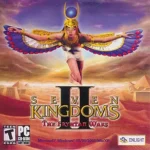
- Seven Kingdoms: Ancient Adversaries (Update): 1998
- Open Source Release: 2009 (Currently maintained by the community as Seven Kingdoms: Ancient Adversaries for modern Windows, Linux, and macOS)