Seven Kingdoms: Conquest
 38
★ /10
38
★ /10
 PC
PC
 Akella, DreamCatcher Interactive, JoWooD Productions
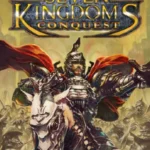
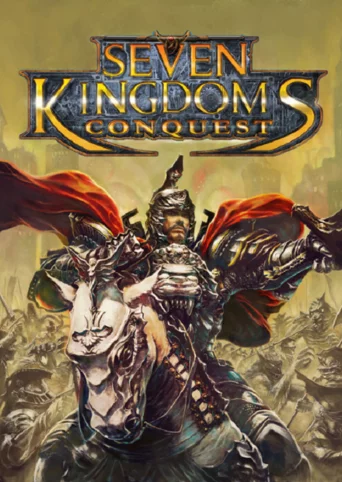
Seven Kingdoms: Conquest (2008) is the “bold departure” of the franchise, trading the series’ iconic 2D grand strategy roots for a fully 3D, combat-focused RTS. Developed by Enlight Software, it attempted to modernize the brand by pitting 6,000 years of human history against an encroaching demonic horde. While it kept the Seven Kingdoms name, it swapped the delicate dance of trade and espionage for a high-stakes, cross-era war of extinction.
The 6,000-Year War: Humans vs. Demons
The core hook of Conquest is its massive timeline. The campaign stretches across seven distinct ages, beginning in the Bronze Age (3000 BC) and ending in a futuristic “Age of Technology” (3000 AD).
- The Human Faction: You lead humanity through a technological evolution. You start with clubs and chariots in the Bronze Age, progress through knights and gunpowder in the Middle Ages, and eventually field mechs and tanks in the Future.
- The Demon Faction: Instead of technological progress, the Demons evolve through biological and magical mutations. They focus on overwhelming numbers, soul-harvesting, and massive, grotesque “Greater Demons” that act as living siege engines.
The Shift in Gameplay
For veterans of the first two games, Conquest can be a bit of a culture shock. It moved away from the “Civilization-lite” mechanics to focus on the “Real-Time Strategy” fundamentals:
- Streamlined Economy: The complex trade routes and tax systems were simplified. Instead, players focus on capturing and holding “Energy Sources” or “Resource Nodes” to fuel their war machine.
- Hero Units: The RPG elements were ramped up. You can recruit powerful heroes who gain experience and unique abilities across missions, becoming central to your tactical maneuvers.
- The “Age” Mechanic: Similar to Empire Earth or Age of Empires, you must balance spending resources on immediate military units versus saving up to “Age Up.” Advancing to a new era grants a massive technological advantage, often turning a struggle into a slaughter.
The “Greater Beings” of 3D
The game kept the concept of summoning powerful, god-like entities to the battlefield. In 3D, these summons are massive spectacles—colossal spirits or demonic lords that can wipe out entire battalions with a single AOE attack. They serve as the “ultimate weapon,” often used to break the stalemate of a heavily fortified base.
Summary
Seven Kingdoms: Conquest is an ambitious “what if” scenario that reimagines the series as a fast-paced, multi-era battle for survival. It lacks the surgical precision of the earlier games’ spy systems, but it replaces it with the visceral thrill of watching Roman Legionnaires take on demonic imps, or futuristic soldiers gunning down hell-beasts. It is a game of scale and evolution, focusing on the broad strokes of war rather than the fine print of diplomacy.
Release Platforms
- Microsoft Windows (PC): March 14, 2008