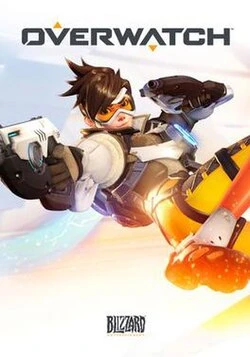
Overwatch
 91
★ /10
91
★ /10
 Nintendo Switch,
  PC,
PC,  PS4,
PS4,  Xbox One
 Blizzard Entertainment
Blizzard Entertainment
Blizzard Entertainment
Overwatch (often referred to as Overwatch 1 or the 2016 release) is a 2016 team-based multiplayer hero shooter developed and published by Blizzard Entertainment. Before its release, Blizzard was almost exclusively known for its massive, decades-old fantasy and sci-fi juggernauts (Warcraft, StarCraft, Diablo). Overwatch was their first entirely new intellectual property in 18 years, and it took the gaming world by absolute storm.
Set on a bright, optimistic, near-future Earth, the story follows a disbanded international task force of heroes, scientists, adventurers, and oddities known as Overwatch. Recalled to action by the intelligent gorilla scientist Winston, the heroes must face a second Omnic Crisis (a global robot uprising) and the shadowy machinations of the terrorist organization Talon.
Gameplay
Overwatch popularized the “Hero Shooter” genre, flawlessly blending the twitch-aim mechanics of a traditional first-person shooter with the heavily specialized classes and cooldown-based abilities of a MOBA.
Key gameplay mechanics included:
- 6v6 Combat: Teams were originally composed of six players each. The chaotic, highly synergized 6v6 brawls were the definitive hallmark of the 2016 era, requiring intense communication and layered defenses.
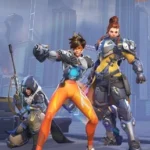
- The Hero Roster: The game launched with 21 highly distinct characters, divided across four original roles: Offense, Defense, Tank, and Support. (This was later streamlined into just Damage, Tank, and Support). You weren’t just picking a gun; you were picking a character with entirely unique movement, health pools, and abilities.
- Ultimate Abilities: Dealing damage or healing allies charged a character’s “Ultimate” meter. When full, players could unleash devastating, game-changing moves—like D.Va’s self-destructing mech, Reaper’s Death Blossom, or Mercy’s iconic (and later removed) 5-man mass resurrection.
- Hero Switching: Unlike MOBAs, players were actively encouraged to swap characters mid-match in the spawn room. If the enemy team had a lethal Pharah dominating the skies, you could instantly swap to a hitscan sniper like Widowmaker to counter her.
- Objective-Based Maps: Deathmatch wasn’t the focus. Teams fought across vibrant global locations (like King’s Row, Hanamura, and Route 66) to capture control points or escort heavily guarded payloads to the end of the map.
Development and Legacy
The origins of Overwatch are famously rooted in the ashes of Project Titan, a massive, highly secretive MMO that Blizzard spent seven years developing before abruptly canceling it in 2014. A small team led by Jeff Kaplan salvaged the highly stylized PvP combat assets from Titan and rapidly prototyped Overwatch.
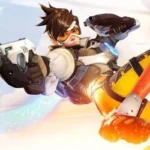
Upon its release in May 2016, it became a monumental, inescapable pop-culture phenomenon. It won Game of the Year at The Game Awards 2016, amassed tens of millions of players, and its colorful cast—especially characters like Tracer, Genji, and Mercy—became instantly recognizable icons globally. It also birthed the ambitious but ultimately doomed Overwatch League, a massive, franchised, city-based global esports operation.
However, as the years went on, the game suffered from massive content droughts as development resources were siphoned off to work on its sequel. The competitive meta also frequently stagnated into frustrating, highly defensive compositions (most notably the infamous “GOATS” meta of three tanks and three healers, which eventually forced Blizzard to implement strict 2-2-2 Role Queue rules).
The Shutdown and Revival: In a highly controversial move, the original 2016 Overwatch was permanently shut down on October 3, 2022. The servers were taken offline, and the game was entirely overwritten and replaced by the free-to-play sequel, Overwatch 2, which reduced team sizes to 5v5.
However, nostalgia for the golden era of the game has proven powerful. Capitalizing on community demand, Blizzard recently introduced Overwatch: Classic limited-time events into the modern client. These throwback modes temporarily restore the original 6v6 format, classic map layouts (like Temple of Anubis), and original un-nerfed abilities, allowing veteran players to experience the chaotic magic of the 2016 launch once again.
Key Features:
- The Birth of a Phenomenon — Experience the vibrant, highly polished hero shooter that redefined the multiplayer landscape and spawned a massive global fandom.
- 6v6 Synergy — Coordinate massive, team-wiping combos in the original, highly chaotic 6-versus-6 format.
- Iconic Roster — Master 21 launch heroes, switching on the fly to aggressively counter the enemy team’s composition.
- Global Objectives — Fight across beautifully stylized global locations, escorting payloads and capturing critical chokepoints.
- Overwatch Classic Events — Relive the magic of the 2016 launch via recent limited-time throwback modes available in the modern Overwatch client.
Release Platforms:
- Microsoft Windows (PC) / PlayStation 4 / Xbox One — May 24, 2016
- Nintendo Switch — October 15, 2019
- (Note: The original 2016 client was permanently shut down and replaced by Overwatch 2 in October 2022).
Trailer
View on Videos