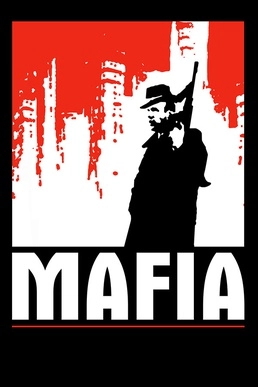
Mafia
 88
★ /10
88
★ /10
 PC
PC PS 2
PS 2 Xbox
Xbox 1C Company
 2K Games
 Gathering of Developers

Mafia (originally released as Mafia: The City of Lost Heaven) is a 2002 action-adventure video game developed by Czech studio Illusion Softworks and published by Gathering of Developers. Released in August 2002 for Microsoft Windows (with subsequent 2004 ports developed for the PlayStation 2 and Xbox), the title stands as the foundational debut installment of the Mafia franchise.
While contemporary open-world titles of the early 2000s focused heavily on unmitigated sandbox chaos and arcade-style criminal power fantasies (most notably Grand Theft Auto III), Mafia took a completely antithetical design path. Illusion Softworks built a massive, beautifully detailed 1930s American metropolis to serve strictly as a linear, hyper-realistic backdrop for a mature, cinematic, and deeply tragic narrative exploring the unglamorous realities of organized crime.
Technical Specifications
| Attribute | Details |
| Developer | Illusion Softworks |
| Publisher | Gathering of Developers (Console ports by Take-Two Interactive) |
| Director / Lead Writer | Daniel Vávra |
| Engine | LS3D Engine (Pioneering extreme draw distances and real-time vehicle physics) |
| Platform(s) | Microsoft Windows, PlayStation 2, Xbox |
| Release Date | August 29, 2002 (Console Ports: January/March 2004) |
| Genre | Action-adventure, Third-person shooter |
| Mode(s) | Single-player |
Don Salieri Sends His Regards: Campaign and Narrative
The single-player campaign is structured as an extended, retrospective confession taking place in a dim cafe in 1938. The protagonist, Thomas “Tommy” Angelo, a former low-income taxi driver, meets secretly with Detective Norman to turn state’s evidence against his employers in exchange for witness protection for his wife and daughter. The narrative unfolds via rich, episodic flashbacks charting Tommy’s decade-long descent into the criminal underworld of Lost Heaven (a fictionalized synthesis of Prohibition-era Chicago, New York, and San Francisco).
Tommy’s criminal career begins entirely by accident in 1930 when he is forcefully coerced at gunpoint to help two mobsters, Paulie and Sam, escape an ambush by a rival crime family led by Don Morello. Blown away by the lucrative financial payout, Tommy officially defects from his taxi route to join Don Ennio Salieri’s family.
The Illusion of Family Loyalty: For years, Tommy, Paulie, and Sam operate as Salieri’s premier enforcers, climbing the ranks during a bloody, unrestricted turf war against Morello. However, the glamorous illusion of omertà systematically unravels due to the Don’s hidden greed and merciless hypocrisy. Tommy begins cutting corners on the mob’s brutal directives—clandestinely sparing a civilian informant named Frank and refusing to execute a sex worker named Michelle.
The final fracture occurs in 1938 when Tommy and Paulie discover that a bank heist they executed independently exposed a massive hoard of diamonds Salieri had been smuggling inside cigar boxes, proving the Don had been lying to his loyal soldiers about their financial cuts for years.
The blowout is devastatingly swift: Paulie is found brutally murdered in his apartment, and Sam traps Tommy inside the grand Lost Heaven Art Gallery, revealing his ultimate loyalty to the Don before a final, tragic shootout. Tommy successfully executes Sam, but the game closes with one of the most haunting, defining epilogues in video game history: decades later in 1951, an elderly Tommy is watering his lawn when two hitmen (Mafia II protagonists Vito Scaletta and Joe Barbaro) approach him, declaring, “Mr. Angelo? Don Salieri sends his regards,” before blasting him with a shotgun.
Ruthless Realism: Shifting Open-World Rules
Illusion Softworks utilized the custom LS3D Engine to enforce an uncompromising tier of realism that shocked players accustomed to traditional arcade sandbox mechanics:
- The Lost Heaven Traffic Enforcement: The city police department was an active, persistent threat. Exceeding the local 40 mph speed limit, crashing into civilian vehicles, running red traffic lights, or walking around with a visible firearm instantly prompted police officers to pursue the player to issue a financial ticket, execute a physical arrest, or open lethal fire.
- Mechanical Vehicle Logistics: Driving was a highly simulation-focused exercise. Vehicles—modeled meticulously on actual 1930s physics—possessed manual gear shifting choices, suffered from sluggish weight distributions, and drained an active Fuel Tank. If a bullet pierced a vehicle’s gas tank, fuel would realistically leak onto the asphalt until the car stalled entirely.
- Lethal Gunplay Mechanics: Weapons like the Colt Detective Special or the iconic Thompson submachine gun packed severe, unyielding recoil patterns. Furthermore, reloading an active magazine did not magically preserve ammunition; discarding a half-empty clip forcefully threw away any remaining bullets inside it forever.
The Infamous Controller-Breaker: “Fairplay”
No historical brief of the 2002 original is complete without dedicating a section to “Fairplay,” the fifth narrative mission that stands immortalized as one of the most notoriously brutal difficulty spikes in gaming history.
Tasked with sabotaging a rival driver’s high-velocity race car before the Lost Heaven Grand Prix, a sudden plot twist forces Tommy to jump into the driver’s seat of an incredibly volatile, lightweight 1932 open-wheel race car to win the Grand Prix himself.
The original unpatched version of the mission featured punishingly realistic simulation physics on a track with tight hairpins and zero room for error. The car would violently flip at the slightest touch of grass geometry, and AI opponents drove with flawless precision. The mission broke the spirits and controllers of an entire generation of PC players, forcing Illusion Softworks to hastily roll out a post-launch network patch that introduced custom difficulty sliders and optional toggles for automated gear shifting.
Alternative Versions: Definitive Edition (2020)
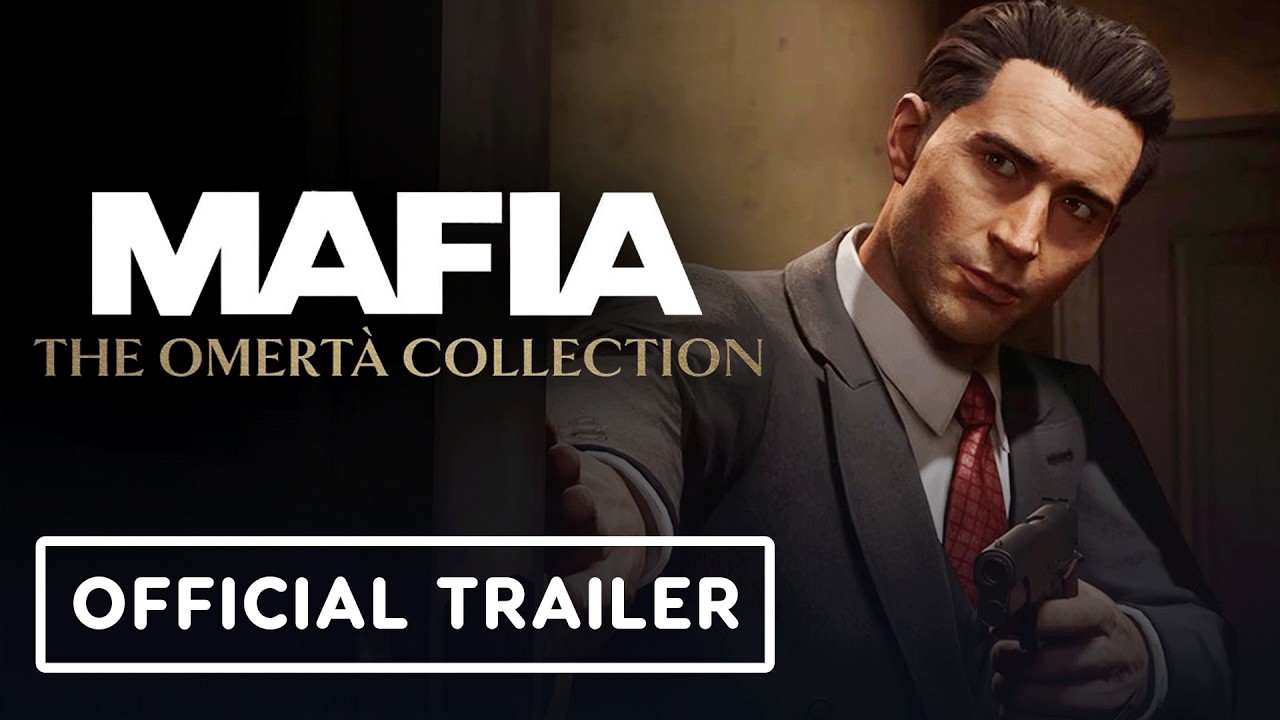
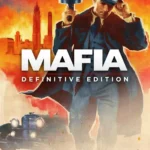
In September 2020, 2K and developer Hangar 13 released Mafia: Definitive Edition. Built from the ground up within the advanced rendering framework of the Mafia III engine, this stunning remake completely overhauled the 2002 original.
While it expanded the campaign’s script to give characters like Sam, Sarah, and Paulie deeper narrative development, updated the gunplay to modern third-person cover shooter standards, and added motorcycles, it carefully preserved the core spirit, timeline beats, and tragic ending of Daniel Vávra’s original script.
Contemporary Stance
Sitting in mid-2026, the 2002 original Mafia is widely celebrated as a pristine, untouchable cinematic masterpiece of the early 2000s PC golden era. The game has experienced an immense, historic spike in community visibility and nostalgic playthroughs over the past year.
This renaissance is directly driven by the August 8, 2025, global rollout of Mafia: The Old Country and its upcoming major story expansion, Man of Honor, locked in to launch on August 14, 2026. Because The Old Country and its new expansion trace the dark origins of organized crime back to 1900s Sicily—and feature the dramatic return of a young, ruthless Ennio Salieri conquering his first turf wars—the enthusiast community has flooded back to the 2002 original to witness exactly where the Salieri Crime Family’s legacy ultimately collapses.
The software remains surprisingly playable and preserved across modern computing channels:
While the original 2004 PlayStation 2 and Xbox console ports are heavily bottlenecked by severe graphical regressions and unstable frame rates, the PC version available on GOG and Steam is highly functional. To experience it beautifully under modern 64-bit Windows 11 desktop environments, the community natively relies on independent mods like the Mafia Community Widescreen Fix.
These essential fan patches effortlessly inject full 16:9 and ultrawide display scaling, repair modern high-refresh-rate mouse acceleration bugs, and easily restore the legendary original licensed jazz soundtrack (featuring Django Reinhardt and Louis Armstrong) that had been stripped out of retail listings for years due to expired corporate music copyrights.
Trailer
View on Videos