 78
78  PC
PCWhere to buy

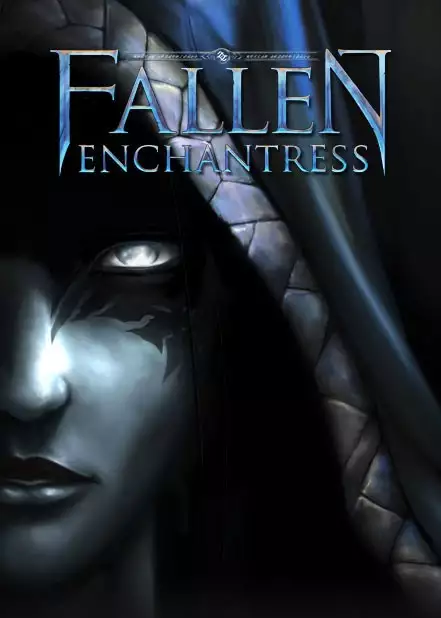
Elemental: Fallen Enchantress is a critically acclaimed turn-based fantasy grand strategy 4X video game developed and published by Stardock Entertainment. Released on October 23, 2012, for Microsoft Windows, the title serves as a massive standalone expansion and comprehensive structural overhaul designed to completely replace 2010’s disastrously received Elemental: War of Magic.
Following the critical meltdown of the original game, Stardock CEO Brad Wardell stepped down as lead developer. He handed absolute creative control of the intellectual property to Derek “Kael” Paxton—the legendary modding auteur behind Civilization IV’s highly celebrated Fall from Heaven total conversion.
By rewriting the mechanical layout, stripping away broken engine dependencies, introducing deep tactical role-playing systems, and expanding into the standalone follow-up Fallen Enchantress: Legendary Heroes in May 2013, Paxton successfully salvaged the universe of Anthys. The game turned a commercial disaster into a definitive, highly respected classic of the fantasy strategy genre.
Technical Specifications
| Attribute | Details |
| Developer | Stardock Entertainment |
| Publisher | Stardock Entertainment |
| Lead Designer | Derek “Kael” Paxton |
| Producers / Designers | Brad Wardell, Jon Shafer |
| Platform | Microsoft Windows |
| Original Release Date | October 23, 2012 |
| Legendary Heroes (Standalone) | May 22, 2013 |
| Genre(s) | Turn-based strategy, Fantasy 4X Grand Strategy, Tactical RPG |
| Mode | Single-player |
Restructuring Anthys: Paxton’s Design Pillars
When Derek Paxton took the reins of the Elemental franchise, he systematically dismantled the design choices that had bogged down War of Magic. The macro-strategy layer was re-architected to lean much harder into its RPG origins, creating a tight loop driven by localized danger and specialized hero asset tracking:
- Asymmetric Faction Mechanics: Instead of generic stat swaps, factions were infused with powerful, rule-breaking capabilities. For example, the noble Altarians gained the Rush ability to take consecutive combat actions, while the savage Trog could enter a Berserk state to gain immediate initiative loops at the cost of tactical spellcasting.
- Granular Weapon Physics: Weapons were granted unique behavioral traits that completely altered frontline dynamics. Axes gained Cleave to smash up to three adjacent enemies simultaneously; Swords unlocked automatic Counterattacks when parrying; and heavy Hammers triggered devastating Crushing Blows that dealt double damage at the expense of the unit’s subsequent turn.
- The Wildlands Grid: Paxton divided the sandbox map using localized, high-danger quadrants known as Wildlands. These regions functioned as asymmetric PvE boss zones populated by massive, ancient monsters guarding legendary artifacts. Players had to actively weigh the risks of trying to clear these sectors early to claim high-tier loot versus ignoring them and letting monsters raid their border towns.
The Legendary Heroes Evolution
In May 2013, Stardock deployed the definitive standalone evolution of the engine: Fallen Enchantress: Legendary Heroes. This entry fundamentally overhauled character progression and recruitment, entirely removing the standard 4X pacing flaws of the 2012 base build:
The Fame Paradigm Shift
In the original 2012 client, Champions were scattered randomly across the hex grid like generic items, leading to heavy map-scouting RNG. Legendary Heroes completely removed map-spawned heroes. Instead, characters were tied entirely to an empire-wide Fame System.
As your kingdom erected majestic monuments, cleared perilous dungeons, or fulfilled complex narrative side-quests, your international Fame tier multiplied. Legendary Champions would actively track your achievements and travel to your capital city to offer their blades based entirely on your global renown.
Visual Skill-Tree Forging
Character leveling dropped generic stat bumps to implement an interactive Modular Attribute Skill Tree. Upon leveling up, Sovereigns and Champions allocated points across visual branches to plan out exact archetypes.
This allowed players to smoothly specialize a basic magic user into a terrifying, soul-harvesting Necromancer, transform an agile combat general into a high-crit Assassin, or upgrade a martial commander into an immovable frontline Defender.
Modern Preservation & 2026 Standing
As of June 2026, Elemental: Fallen Enchantress stands perfectly preserved and thoroughly validated as an exceptional 4X sandbox. Stardock actively hosts the complete legacy package as the Fallen Enchantress: Ultimate Edition on digital storefronts like Steam and GOG.com, compiling the core game alongside the standalone Legendary Heroes clients and all historical quest/map DLC packs.
For modern grand strategy purists, the game’s legacy has been completely refreshed by the March 17, 2026 launch of Elemental: Reforged. This newly released, native 64-bit remaster completely rebuilds the entire Fallen Enchantress campaign and its asymmetric faction scripts inside a modern, highly optimized multi-threaded 3D engine—entirely solving the out-of-memory crashes and engine stuttering that occasionally plagued the original 2012 32-bit architecture on contemporary high-resolution monitors.