The Last of Us
 95
★ /10
95
★ /10
 PS 3
PS 3
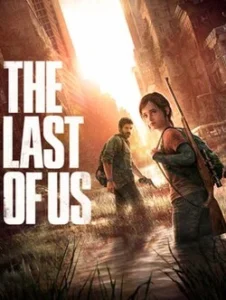
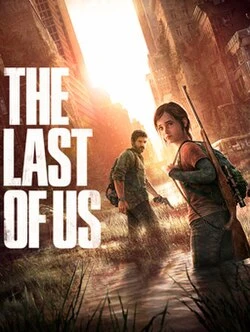
The Last of Us is a 2013 third-person action-adventure survival game developed by Naughty Dog and published by Sony Computer Entertainment. Originally released in June 2013 at the very end of the PlayStation 3 lifecycle (and subsequently Remastered for PS4, and fully remade from the ground up as The Last of Us Part I for PS5 and PC), it is widely considered a watershed moment in video game history. It proved that the medium could deliver prestige, emotionally devastating, cinema-quality storytelling on par with Hollywood’s greatest films.
Core Concept and Story
The game takes place 20 years after a mutated strain of the Cordyceps fungus ravages the globe. Instead of a standard viral zombie outbreak, this real-world fungus infects the human brain, turning its hosts into hyper-aggressive, disfigured monstrosities, leading to the collapse of modern civilization.
The narrative centers on Joel, a brutal, emotionally closed-off smuggler who lost his daughter during the initial outbreak. He is reluctantly tasked with escorting a 14-year-old girl named Ellie across a ruined, overgrown United States. Ellie holds a massive secret: she is miraculously immune to the Cordyceps infection. Their journey to deliver her to a revolutionary militia group called the Fireflies—in hopes of reverse-engineering a vaccine—forms the beating heart of the game.
The story is a grueling, masterfully paced exploration of trauma, found family, and the lengths people will go to protect the ones they love, culminating in one of the most heavily debated, morally ambiguous endings in gaming history.
Gameplay and Features
Naughty Dog drastically pivoted away from the lighthearted, blockbuster adventuring of their Uncharted series to create a heavy, grounded, and intensely stressful survival experience:
- Tense Survival Stealth: You are rarely a one-man army. Ammo is incredibly scarce, and Joel’s aiming is intentionally unsteady. Players are heavily encouraged to use stealth to bypass encounters entirely or silently strangle enemies to conserve bullets.
- Real-Time Crafting: Opening your backpack to craft a Molotov cocktail, a nail bomb, or a shiv does not pause the game. You have to actively scrounge for alcohol, rags, and scissors in abandoned houses, frantically combining them in real-time while enemies are actively hunting you down.
- The Infected: The enemy design is iconic, categorized by how long the host has been infected.
- Runners: Recently infected, fast, and aggressive.
- Clickers: The defining terror of the game. The fungus has grown entirely through their faces, blinding them. They hunt strictly via echolocation (clicking). They are completely blind, but if they grab you, it is an instant, unblockable death.
- Bloaters: Massive, heavily armored fungal tanks that throw toxic spore bombs.
- Listen Mode: To navigate the high-stakes stealth, Joel can crouch and focus his hearing, creating a monochrome visual filter that allows players to see the silhouettes of enemies making noise through walls.
The Legacy, Part II, and HBO
The cultural impact of The Last of Us is practically unmatched in modern gaming. It won hundreds of “Game of the Year” awards and effectively set the blueprint for Sony’s modern era of prestige, narrative-heavy, third-person exclusives.
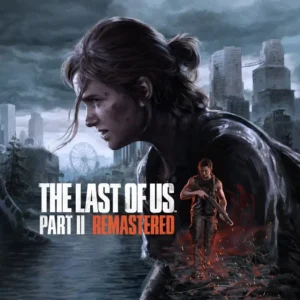
- The Sequel: In 2020, Naughty Dog released The Last of Us Part II. It is a massive, visually staggering, and deeply punishing exploration of the cycle of violence and revenge. It became one of the most critically acclaimed yet highly polarizing games ever made due to shocking narrative choices.
- The Television Adaptation: In 2023, the game achieved the impossible by breaking the “video game adaptation curse.” HBO partnered with the game’s original writer/director, Neil Druckmann, and Chernobyl creator Craig Mazin to produce a live-action series starring Pedro Pascal and Bella Ramsey. It was a massive critical and commercial triumph, winning multiple Emmys and bringing the story to a massive mainstream audience.
Quick Note
The Last of Us is a defining masterpiece of interactive storytelling.
In short: It combined incredibly tense, resource-starved survival mechanics with a deeply human, profoundly devastating script. It is a grueling, beautiful, and emotionally exhausting road trip that permanently raised the bar for what video game narratives could achieve.
The Last of Us news
More news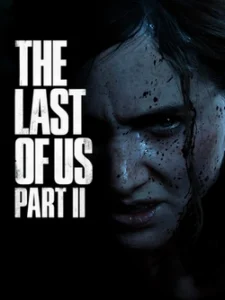
Sony Shuts Down Fan-Made The Last of Us 2 Multiplayer Mod

Last of Us Director Apologizes for God of War Laufey Callout
Neil Druckmann Confirms New Last of Us Projects Are in Development