The Devil Inside
 PC
PC
 1C Company, Cryo Interactive, Take-Two Interactive Software, TalonSoft
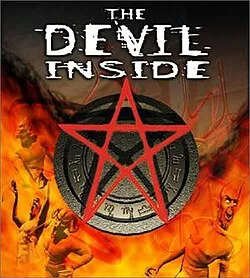
The Devil Inside is a 2000 third-person action and survival horror game developed by Gamesquad and published by Cryo Interactive (in Europe) and TalonSoft (in North America). Directed by Hubert Chardot, the original writer behind the pioneering 1992 survival horror classic Alone in the Dark, the game stands out as a bizarre and highly original satire of the late-90s reality television boom.
The game’s premise revolves around a fictional, highly rated reality TV show called The Devil Inside, hosted by the flamboyant and sinister Jack T. Ripper. The show drops contestants into haunted, heavily quarantined locations to fight the undead for the entertainment of a live viewing audience. The player controls Dave, a former police officer who has volunteered for the show. However, Dave harbors a dark secret: he shares his body with a female demon named Deva. Dropped into a sprawling, zombie-infested Hollywood mansion known as the Shadow House, Dave and Deva must survive the night, uncover the estate’s dark history, and keep the television ratings high.
Gameplay
The Devil Inside plays as a third-person action-shooter, but its mechanics are heavily shaped by its dual-protagonist nature and its reality TV broadcast framing.
Key gameplay mechanics include:
- Dual Personas: Players must strategically swap between Dave and Deva, as each controls completely differently. Dave utilizes conventional firearms (pistols, shotguns, assault rifles) and is better suited for physical combat. Deva uses dark magic, floating slightly above the ground and casting spells. She can also regenerate her health and mana by absorbing the souls of defeated enemies.
- Pentagram Checkpoints: The player cannot swap between Dave and Deva at will. Transformations can only occur by finding pentagrams scattered throughout the levels, which also serve as the game’s save points.
- The Cameraman System: Because the game is a televised broadcast, players are constantly followed by a small, flying television camera (or a literal cameraman). This introduces a unique picture-in-picture mechanic. Players can toggle between the objective third-person camera and the diegetic broadcast camera, using the alternate angle to see around corners or spot hidden enemies.
- Live Ratings: The action is constantly narrated by the host, Jack T. Ripper, and a live studio audience reacts to the gameplay. Performing well, exploring efficiently, and executing spectacular kills increases the show’s ratings, while dying or playing poorly causes the audience to boo.
Development and Legacy
Following his success with Alone in the Dark, Hubert Chardot wanted to create a game that leaned heavily into B-movie camp and modern media satire. Released at the turn of the millennium, just as reality television programs like Survivor and Big Brother were beginning to dominate global pop culture, The Devil Inside was incredibly prescient in its critique of media sensationalism and violence as entertainment.
Upon its release, the game received mixed-to-positive reviews. Critics highly praised the game’s originality, the dynamic between Dave and Deva, and its unapologetically campy atmosphere. Jack T. Ripper’s manic commentary and the studio audience’s cheers added a surreal, comedic layer to the otherwise gloomy survival horror environments.
However, the game suffered from significant technical and design flaws. The controls were often criticized as clunky and unresponsive, and the innovative but confusing dual-camera system occasionally made navigation and combat highly disorienting. Despite these issues, The Devil Inside remains a fascinating cult classic, remembered as an ambitious, genre-bending experiment that satirized the reality TV craze years before games like Manhunt or Smash TV (in its modern iterations) tackled similar themes.
Key Features:
- Reality TV Satire — Experience a survival horror game framed entirely as a live television broadcast, complete with audience reactions, a picture-in-picture broadcast view, and a sleazy host.
- Two Playable Characters — Swap between a heavily armed ex-cop and a spellcasting demon, managing their distinct health pools, abilities, and playstyles.
- Dynamic Camera Perspectives — Utilize the TV show’s floating camera to gain tactical advantages or view the action from cinematic angles.
- Campy Horror Atmosphere — A bizarre blend of gruesome zombie combat and dark comedy, heavily inspired by B-movie horror tropes.
Release Platforms:
- Microsoft Windows (PC) — 2000