Nioh 3
 85
★ /10
85
★ /10
 PC
PC PS5
PS5

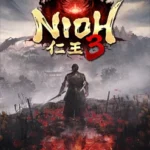
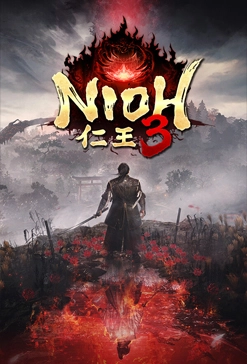
Nioh 3 is a 2026 action RPG developed by Team Ninja and published by Koei Tecmo, released February 6, 2026 for PlayStation 5 and PC. It holds a Metacritic score of 86 on PS5 and 85 on PC, with an OpenCritic average of 85 — “Mighty,” with 93% of critics recommending it — making it, by aggregate and by the near-unanimous framing of its own reviews, the best-received entry in the series. IGN’s 9/10 caught the consensus: best-in-class combat, revitalized by a split between Samurai and Ninja styles and a successful move to an open structure.
The two headline changes define everything: the series’ mission-based structure gives way to explorable open fields, and combat splits into two complete, instantly switchable fighting styles — a redesign ambitious enough that the perennial “which Nioh is best” argument now has a genuinely contested answer.
Technical Specifications
| Attribute | Details |
|---|---|
| Developer | Team Ninja |
| Publisher | Koei Tecmo |
| Directors | Hayato Shibuya · Masaki Fujita |
| Producers | Fumihiko Yasuda · Kohei Shibata |
| Composers | Yugo Kanno · Akihiro Manabe |
| Engine | Katana Engine |
| Announced | June 4, 2025 (PlayStation State of Play, with a same-day demo) |
| Release | February 6, 2026 (PS5, PC — $69.99) |
| Metacritic | 86 (PS5) · 85 (PC) |
| OpenCritic | 85 (“Mighty,” 93% Critics Recommend) |
| Genre | Action RPG, Soulslike, open field |
| Mode(s) | Single-player · Online co-op (up to 3 players) |
One Button, Two Warriors
The signature system: at any moment — mid-combo, mid-dodge — a single press swaps between Samurai style, which plays like classic Nioh (stances, Ki Pulse, deliberate guard-and-punish timing), and Ninja style, built around speed, aerial mobility, ranged tools, and evasion. Players effectively maintain two full kits and are rewarded for weaving them: opening with ninjutsu pressure, finishing with samurai weight, or committing to one style entirely — the game supports all of it. Reviewers were close to unanimous that the switch is the series’ best idea since the Ki Pulse; the main caveats were an early-game balance tilt toward the Ninja kit and returning enemy types recycled from Nioh 2.
Open Fields and the Crucible
The rigid mission-select structure of the first two games gives way to sizeable open regions — villages, shrines, and yokai-warped wilderness to explore freely, with the series’ trademark ambush tension intact and optional high-difficulty zones (the Crucible) layered on top. Critics who expected the shift to dilute the formula mostly reported the opposite: TechRadar called the semi-open structure “shockingly” effective, and several outlets framed the freedom plus generous systems — free respecs among them — as the series’ most newcomer-friendly on-ramp yet, a notable shift for a franchise whose entry wall was always its biggest ask. The counterweight, echoed across otherwise glowing reviews: unremarkable level geometry in places, an aging Katana Engine visually, and a story — hopping across eras of feudal Japan — that several critics called scenery more than narrative.
Reception
The review picture is the strongest the series has had: 86/85 on Metacritic against the original Nioh‘s 88 and Nioh 2‘s 85, but with a 93% OpenCritic recommendation rate and superlatives the earlier games rarely drew — PC Gamer called it “one of the best soulslikes yet,” TheSixthAxis “an Elden Ring-sized leap for the series,” and multiple outlets an early game-of-the-year contender. Dissenters existed — a minority found it too iterative of past entries — and PC performance drew launch-window criticism before patches. Commercially the launch was the series’ biggest on Steam, with concurrent players peaking around 88,000, helped by an unusually generous free demo with carry-over progress and three-player co-op.
Where This Leaves the Series
The veteran community’s argument has settled into a productive split: Nioh 3 as the best overall game and the right starting point, Nioh 2 as the mechanical deep end. With Team Ninja’s formula now validated in open form and the franchise’s warmest reviews in hand, Nioh 3 closes the trilogy’s decade-long arc — from a twelve-years-troubled PS3 project to the Soulslike series most consistently mentioned in the same breath as FromSoftware’s own.
Where to Play It Today
Nioh 3 is available on Steam and PlayStation 5 at $69.99, with a free demo on both platforms whose progress carries into the full game. As a recent release it has seen only modest discounts so far; the first two games‘ Complete Editions, by contrast, are perennial deep-sale fixtures for anyone starting the series from the beginning.