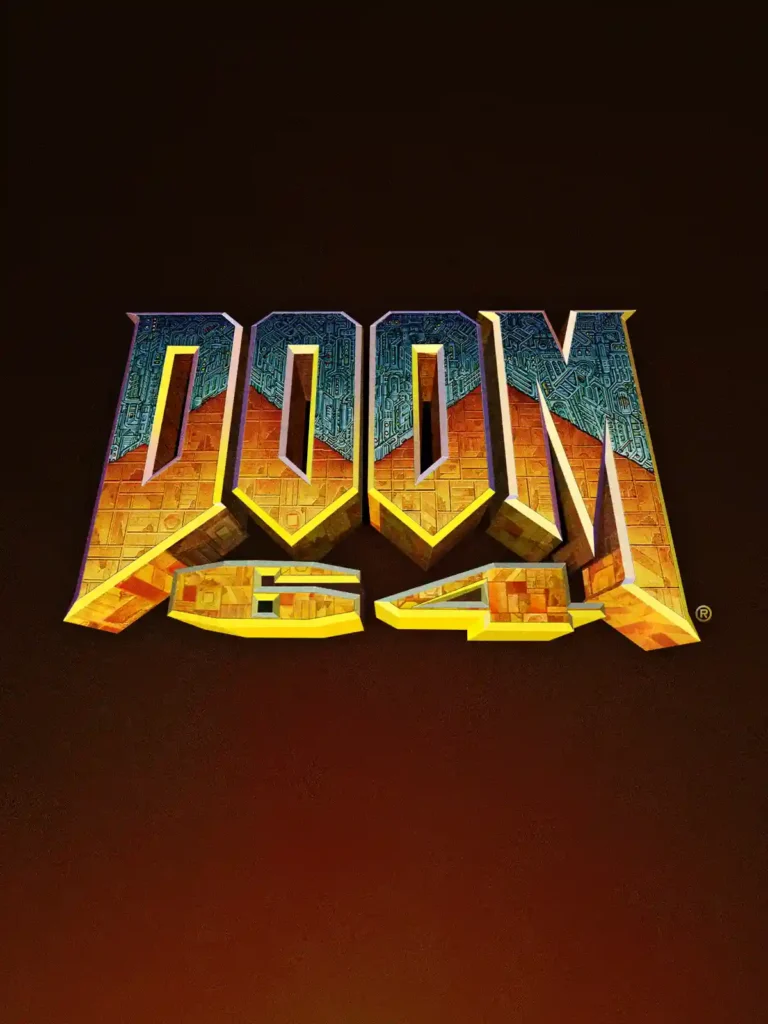
Doom 64
 76
★ /10
76
★ /10
 Nintendo 64,
  Nintendo Switch,
  PC,
PC,  PS4,
PS4,  Xbox One
 Bethesda Softworks,
  Midway
Where to buy





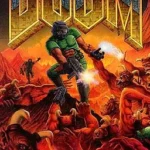
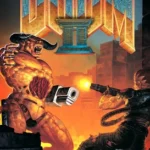
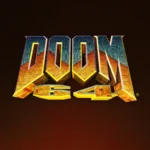
Doom 64 is a 1997 first-person shooter developed and published by Midway Games (under close supervision from id Software). Released exclusively for the Nintendo 64 in April 1997, it is one of the most historically misunderstood games in the franchise. For decades, the general public assumed it was just a sloppy console port of the original PC game. In reality, Doom 64 was a completely original, standalone title—and chronologically, it is the true, canonical Doom 3.
Core Concept and Story
Following the apocalyptic events of Doom II: Hell on Earth, the Earth is saved, and humanity quarantines the original UAC facilities on Mars, Phobos, and Deimos with intense radiation to ensure nothing survives. However, a mysterious entity known as the Mother Demon manages to bypass the quarantine, using her powers to resurrect and mutate the decayed corpses of the demons left behind.
The United Aerospace Corporation realizes the installations have been compromised again. The Doomguy, now a heavily scarred veteran suffering from severe, crippling PTSD from the previous games, is the only one who has survived Hell before. He is forcibly drafted and sent back in, completely alone, to exterminate the Mother Demon and finish the fight once and for all.
Gameplay and Features
While the core run-and-gun gameplay loop remained exactly the same as the classic PC titles, Midway completely overhauled the engine, the graphics, and the tone to take advantage of the Nintendo 64 hardware:
- The Shift to Pure Horror: Classic Doom was a fast-paced, heavy-metal action movie. Doom 64 was a terrifying, claustrophobic psychological horror game. Midway completely abandoned the thrash-metal MIDI soundtrack. Instead, composer Aubrey Hodges created a deeply unsettling, droning, ambient dark-synth soundtrack composed of crying babies, metallic scrapes, and demonic whispering.
- Redesigned Graphics: Every single weapon and demon in the game was completely redesigned from scratch. Midway used high-end Silicon Graphics workstations to create complex 3D models (much like Donkey Kong Country did on the SNES), which were then converted into 2D sprites. The demons looked vastly more mutated, muscular, and grotesque.
- Dynamic Lighting: The modified engine allowed for incredibly complex, colored lighting and shifting shadows. The levels were notoriously dark, moody, and atmospheric, forcing players to step cautiously into pitch-black corridors.
- The Unmaker: Doom 64 introduced a brand-new, secret weapon to the arsenal. The Unmaker is a demonic laser weapon built from bone and flesh. To unlock its full potential, players had to find three hidden Demon Keys scattered throughout secret levels. A fully upgraded Unmaker fired three simultaneous, rapid-fire lasers that completely trivialized the final boss fight.
- Trigger-Heavy Level Design: The levels were far more puzzle-oriented than classic Doom. Shooting walls, stepping on invisible pressure plates, and hitting sequences of switches to dynamically alter the architecture of the map were heavily emphasized.
The “Forgotten” Era and 2020 Revival
For over twenty years, Doom 64 was essentially the lost middle child of the franchise. Because it was stranded exclusively on an aging Nintendo cartridge and famously lacked a multiplayer mode (which hurt its reviews at the time), PC purists largely ignored it.
However, in March 2020, to coincide with the release of Doom Eternal, Bethesda and Nightdive Studios released a flawless, official remaster of Doom 64 for modern consoles and PC.
Crucially, Nightdive added a brand-new, canonical final chapter called The Lost Levels. This new campaign explicitly bridged the 23-year narrative gap in the franchise. It explained how the Doomguy decided to stay in Hell permanently after defeating the Mother Demon to ensure the demons could never attack Earth again, perfectly setting up his eventual discovery by the Night Sentinels and his transformation into the “Doom Slayer” seen in the 2016 reboot.
Quick Note
Doom 64 is the darkest, moodiest, and most atmospheric entry in the classic sprite-based era of the franchise.
In short: It took the lightning-fast, arcade-style slaughter of the 1993 original and dragged it down into a suffocating, terrifying ambient-horror nightmare. If you want to see exactly how classic “Doomguy” evolved into the unstoppable, vengeful god of the modern games, this is the essential missing link.
DLC & Expansions 20
Civilization V: Gods & Kings

Binary Domain

Oil Rush

World of Warcraft: Mists of Pandaria

Resident Evil 6
Elemental: Fallen Enchantress

Revelations 2012
Halo 4
SpellForce 2: Faith in Destiny

Far Cry 3

Endless Space

The Darkness 2

Syndicate
Sins of a Solar Empire: Rebellion

Into the Dark

Call of Duty: Black Ops II

Manhunter
Warlock: Master of the Arcane

007 Legends