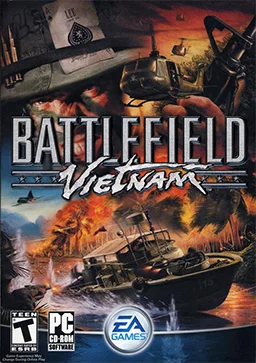
Battlefield Vietnam
 84
★ /10
84
★ /10
 PC
PC Electronic Arts
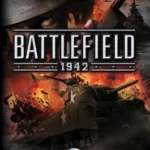
Battlefield Vietnam is a 2004 first-person shooter developed by DICE Canada and published by Electronic Arts (EA). Released exclusively for the PC in March 2004, it served as the direct, standalone sequel to the franchise’s inaugural game, Battlefield 1942. Built on a heavily modified version of the Refractor 1 engine, the game traded the sprawling, open battlefields of World War II for the dense, claustrophobic jungles and asymmetrical warfare of the Vietnam War.
Core Setting
Like its predecessor, Battlefield Vietnam did not feature a traditional, narrative-driven single-player campaign; single-player consisted of standard Conquest multiplayer matches played alongside AI bots.
The game threw players directly into historical conflicts like the Ho Chi Minh Trail, the Battle of Huế, and the Ia Drang Valley. It featured distinct, asymmetrical factions: the United States (USMC and Army) and the Army of the Republic of Vietnam (ARVN) faced off against the North Vietnamese Army (NVA) and the Viet Cong (VC).
Gameplay and Features
The game took the massive 64-player vehicular sandbox established by 1942 and heavily altered it to reflect the unique, brutal realities of 1960s jungle warfare:
- Asymmetrical Warfare: This was the game’s greatest mechanical achievement. The two sides played completely differently. The US forces had overwhelming mechanical and air superiority, deploying heavy M48 Patton tanks, F-4 Phantom jets dropping devastating napalm strikes, and heavily armed Huey gunships. To counter this, the NVA and VC relied heavily on infantry mobility and guerilla tactics. They could deploy mobile spawn points (representing hidden tunnel networks) anywhere on the map, plant punji sticks and bouncing betty landmines, and use SA-7 Grail heat-seeking missiles to swat American choppers out of the sky.
- The In-Game Radio: Arguably the most iconic and beloved feature of the game. Every vehicle was equipped with an interactive radio. If you jumped into the pilot seat of a Huey or a patrol boat, you could blast licensed, era-authentic 1960s rock music—including CCR’s “Fortunate Son”, The Trashmen’s “Surfin’ Bird”, and Jefferson Airplane’s “Somebody to Love”. The music played globally, meaning enemies hiding in the jungle would hear “Ride of the Valkyries” echoing from the sky right before an American helicopter barrage hit them.
- Vehicle Airlifting: To navigate the dense jungle maps, helicopters were given a massive utility upgrade. Transport choppers could lower a winch cable to physically latch onto friendly tanks, jeeps, and even patrol boats, airlifting them across the map to drop heavy armor directly onto contested capture points.
- Thick Jungle Environments: The modified engine allowed for vastly more foliage and underbrush than 1942. The dense grass and trees gave infantry ample places to hide, making ambushes terrifyingly common and heavily changing the flow of combat.
The “Forgotten” Middle Child
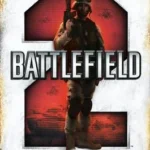
Historically, Battlefield Vietnam occupies a slightly strange place in the franchise’s legacy. Because it was released just over a year after Battlefield 1942, and only a year before the genre-defining Battlefield 2, it often gets overlooked by the broader gaming public.
However, DICE supported it heavily, eventually releasing a massive, free update that added three new maps, new vehicles, and completely imported several maps from Battlefield 1942 (like Iwo Jima and Wake Island) into the Vietnam engine. Additionally, the game fostered a fantastic modding scene, most notably birthing the legendary Point of Existence mod, which later transitioned to BF2.
The Sunset
Like many classic PC games of the era, the official online life of Battlefield Vietnam was abruptly cut short when the matchmaking service GameSpy shut down in May 2014.
Despite this, a dedicated community of veterans refused to abandon the jungle. Using custom master servers and community patches (like those hosted by the HelloClan community), players in 2026 can still find custom servers to blast Creedence Clearwater Revival while dropping napalm.
Quick Note
Battlefield Vietnam was a highly atmospheric, experimental stepping stone that perfected the asymmetrical combat loop.
In short: While it was quickly overshadowed by Battlefield 2, anyone who ever played it remembers the pure, cinematic thrill of flying low over a jungle river in a Huey while blasting 1960s rock-and-roll at maximum volume.