The Great Gameplay Shift: How DS2 and Crimson Desert Are Set to Redefine Open Worlds
 killburger
Soon, the internet is going to pick a side.
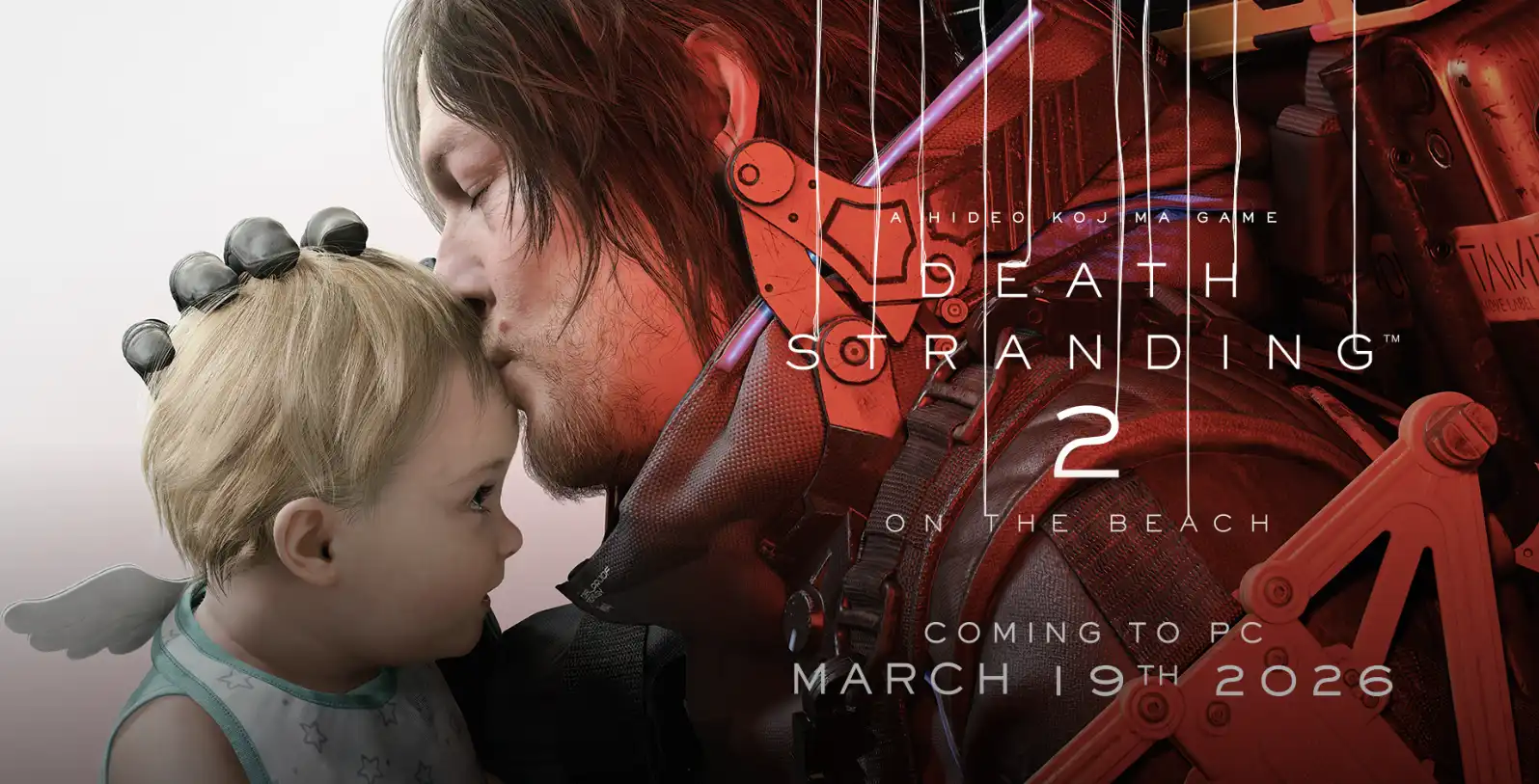
Two of the most ambitious open-world games in years are arriving on PC within hours of each other. Death Stranding 2: On the Beach (finally making its long-awaited PC debut after its 2025 PlayStation launch) and Crimson Desert (Pearl Abyss’s full multi-platform release). While the usual suspects will argue about teraflops and ray-traced reflections, the real story is simpler and far more interesting: the verb list is changing. We’re no longer just walking or swinging swords. We’re engineering the walk. We’re weaponising the swing.
The open world, for the best part of a decade a polite theme park of towers and checkboxes, is about to grow up.
Death Stranding 2: From Walking Sim to Logistic Epic
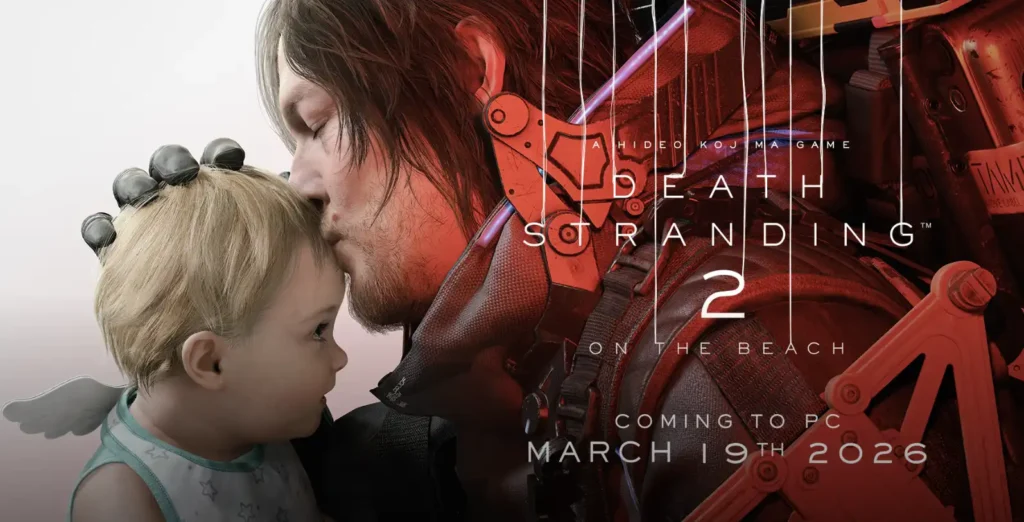
The conversation started on PlayStation last June, but the PC port is about to make it mainstream again. On r/Games and r/DeathStranding the consensus is already clear: the “walking simulator” label is dead. Kojima has performed the autopsy and turned the remains into something far more ambitious.
At the centre of it all is the DHV Magellan – your fully explorable, upgradable mobile headquarters. A colossal Deep-Tar hunting vessel that you pilot across the game’s vast, shifting landscapes like a land-bound aircraft carrier. You don’t just traverse the world any more; you can park this beast, use its onboard systems, and treat it as a rolling base of operations. The macro-logistics feel like a natural evolution of the first game’s chiral network, only now on a scale that actually changes how you plan your routes.
The friction that made the original so singular is still the star. Boots sink into mud with that familiar wet schlup. Cargo shifts realistically on your back. Rain turns gentle slopes into lethal slides. Every step still carries weight – literally and emotionally. But the new environments (deserts that change with the wind, floodplains that rise and fall) force you to unlearn the muscle memory of 2019. It’s no longer just about avoiding the world. It’s about learning to live inside it.
Combat is undeniably more aggressive than before. Skill trees, expanded CQC, vehicle chases, and a wider arsenal have sparked the predictable “Kojima sold out” discourse on r/Games. The new enemies – rogue AI constructs and heavily reworked MULE variants – keep the pressure on even during delivery runs. But the action exists to make the quiet moments land harder. After a frantic skirmish you still have to haul a fragile package uphill in the pouring rain because the client demands dignity in delivery. The friction never leaves. It just learned new tricks.
Crimson Desert: The Chaos Sandbox
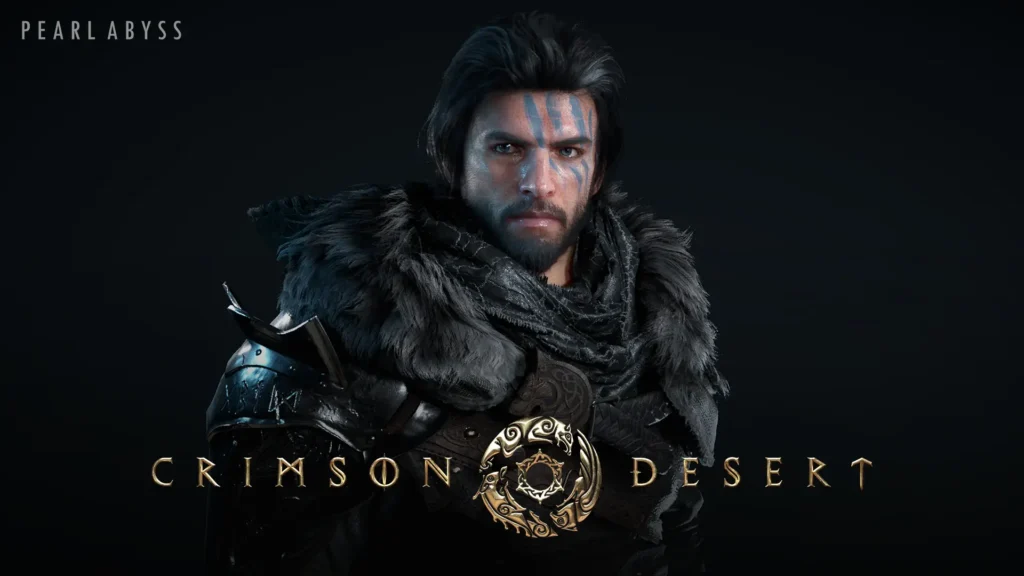
If Death Stranding 2 is about feeling the weight of the world, Crimson Desert is about making the world feel the weight of you.
Pearl Abyss’s BlackSpace Engine has been the star of every preview. The promise is simple and intoxicating: “If you can see it, you can break it.” Real-time destruction, fully physics-driven environments, and systemic chaos that Digital Foundry has already called one of the most technically impressive showcases of 2026. This isn’t scripted set-pieces. This is a playground where the laws of physics are the only rulebook.
The vibe everyone is reaching for is “Adult Zelda” – not because it’s grimdark, but because it hands you a comparable toybox to Tears of the Kingdom and then politely steps back. Grappling hooks, dragon mounts, environmental weapons, and physics-based traversal are all present and correct. The game actively encourages you to forget the quest marker and just see what happens when you, say, grapple an enemy off a battlement and use him as an improvised shield while riding a stolen griffon through a stained-glass window.
The magic word here is emergent gameplay. Previews have shown players accidentally triggering avalanches, turning siege equipment into makeshift wrecking balls, and creating chain reactions that no designer could have fully scripted. The world isn’t just reactive – it’s collaborative. Every object feels like it has opinions.
There is, of course, the usual scepticism. r/pcgaming threads are already asking whether the systems might tip into “too many mechanics” territory. You play as Greymane Kliff, managing companions and faction relationships alongside high-octane solo combat. The tension between being a one-person wrecking crew and keeping your allies alive and happy is real. Will it overwhelm, or will it become the defining strength? We’ll know in nine days.
A Clash of Philosophies
The beauty of this shared release date is how cleanly the two games speak past each other.
Death Stranding 2 is solitude weaponised. The quiet weight of a backpack. The silence after the storm. The small, profound victory of delivering one letter across forty kilometres of hostile terrain. The world is an obstacle to be respected, engineered, and ultimately overcome through patience and friction.
Crimson Desert is spectacle weaponised. The roar of a battlefield. The glorious stupidity of a perfectly timed physics gag. The world is a weapon to be abused, exploited, and turned into your personal playground through pure emergent chaos.
One game wants you to build bridges in the silence. The other wants you to burn cities and then laugh about it in the tavern.
As one r/truegaming commenter put it ahead of the PC launches: “We’ve spent ten years climbing Ubisoft towers. These two games are finally showing us that the open world can be a laboratory, not just a map.”
The New Standard for 2026
Copy-paste open worlds didn’t die on 19 March. But they are about to be shown the door while the adults talk.
Both titles understand something the last decade largely forgot: an open world isn’t defined by square kilometres, but by how meaningfully you can touch it. Death Stranding 2 makes every footstep feel like a deliberate choice. Crimson Desert makes every choice feel like the start of a story no one planned.
And both are riding the 2026 wave of advanced NPC behaviour. In DS2 your Magellan crew already remembers past decisions and brings them up later. In Crimson Desert your companions develop genuine relationships and grudges based on how you treat them. The worlds feel alive in ways that go far beyond radio chatter and scripted monologues.
The open world is no longer a theme park. It’s a physics sandbox with opinions.
So here’s the only question that actually matters on 19 March:
Are you here to build bridges in the silence?
Or are you here to burn cities in the chaos?
The choice defines the next era of gaming. And both games are already waiting for your answer.